
10 Essential Mental Health Tips for College Students in 2025
College life can be both exciting and overwhelming. Between juggling classes, part-time jobs, and a social life, it’s no surprise that mental health often takes a back seat. In fact, studies show that over 60% of college students have experienced anxiety or depression. But don’t worry – you’re not alone, and there are practical ways to manage it! In this guide, we’ll explore actionable mental health tips that can help you thrive both mentally and academically. Whether you’re dealing with homesickness, academic pressure, or burnout, these tips are here to support you every step of the way.
Table of Content
- Understand the Importance of Mental Health in College
- Build a Support System
- Manage Stress with Time Management Techniques
- Establish Healthy Sleep Habits
- Exercise for Mental Wellness
- Practice Mindfulness and Meditation
- Fuel Your Brain with a Balanced Diet
- Limit Social Media Usage
- Reach Out for Professional Help if Needed
- Make Time for Hobbies and Relaxation
Understand the Importance of Mental Health in College
When I first started college, I didn’t really get why people made such a big deal about mental health. I figured as long as I kept up with my classes and showed up to the occasional party, I was doing fine. But about halfway through my first semester, I hit a wall. Like, a real “can’t get out of bed, everything feels too much” kind of wall. That’s when I realized that mental health isn’t just about avoiding breakdowns; it’s about making sure you don’t get to that point in the first place.
The thing is, mental health has a huge impact on academic performance. Stress and anxiety can mess with your ability to focus, remember information, and even make decisions – pretty much everything you need to do well in college. There was this one time I spent an entire night staring at a blank Word doc, completely stuck on an essay that should’ve taken me a couple of hours tops. Turned out, it wasn’t writer’s block; I was just so overwhelmed that my brain shut down. Looking back, if I’d known how to manage my stress better, I probably could’ve saved myself a lot of all-nighters and last-minute cramming.
One of the first steps in taking care of your mental health is actually recognizing when something’s off. But that’s tricky, right? Especially when everyone around you is doing the “I’m fine” thing. Signs like constantly feeling exhausted, losing interest in stuff you used to love, or even getting sick more often can be red flags. I once went a whole month ignoring the fact that I’d lost my appetite and couldn’t concentrate on anything longer than a TikTok video -classic stress symptoms that I brushed off as just being tired. Spoiler: it wasn’t just that.
Addressing these signs early is key because, honestly, stress doesn’t just go away if you ignore it. I learned this the hard way after almost failing a class I actually liked because I couldn’t get my brain to cooperate. Stress management techniques, like keeping a simple planner or even just setting a timer to force yourself to take breaks, can make a huge difference. I started using the Pomodoro Technique – working for 25 minutes and then taking a 5-minute break – and it was like magic for my focus. Plus, it kind of feels like you’re tricking your brain into being productive, which is honestly kind of fun.
If there’s one thing I wish I’d understood earlier, it’s that taking care of your mental health is taking care of your education. The more you invest in managing stress and keeping burnout at bay, the better you’re gonna do in your classes. And trust me, it’s a lot easier to learn some stress management tricks now than to play catch-up later when things really get tough.
Build a Support System
I can’t stress enough how much having a solid support system saved me in college. There was a semester where everything seemed to hit at once – midterms, roommate drama, you name it. I tried to tough it out alone, which was a terrible idea. Eventually, I opened up to a few friends who’d been through similar stuff, and it was like a weight lifted off my shoulders. Just having someone say, “Yeah, that sounds rough,” can help more than you think.
Campus resources are also pretty underrated. I used to think going to a counselor was only for, like, really serious issues, but that’s so not true. After finally making an appointment, I realized it’s basically free therapy that helps you sort out everything from stress to procrastination. Even joining a peer support group can make a difference – you meet people who get what you’re going through without judgment.
And if you’re like me and hate asking for help, finding a mentor can be a game-changer. One of my professors ended up becoming a sort of unofficial advisor for me. She helped me make sense of my workload and even wrote me a killer recommendation letter later on. So, whether it’s friends, family, or campus resources, having a support system isn’t just nice—it’s kind of essential.
Manage Stress with Time Management Techniques
I used to think I was decent at time management – until I found myself writing a 10-page paper at 3 AM with a half-empty coffee cup and a full-blown panic attack. Turns out, “winging it” is not a strategy. What actually helped was breaking tasks into smaller chunks, like using the Pomodoro Technique. Studying for 25 minutes and then taking a 5-minute break sounds too simple to work, but it’s surprisingly effective.
Another tip that saved me was the Eisenhower Matrix, which sounds complicated but isn’t. Basically, you sort tasks by urgency and importance, which makes it easier to stop obsessing over that one discussion post and start on the project that’s actually due tomorrow. I also started using a planner – not the cute Instagram kind, just a basic one where I could scribble deadlines and to-dos. Honestly, just seeing everything laid out made it feel way less overwhelming.
The trick is finding what works for you. Some people thrive with color-coded calendars; others (like me) just need a scrap of paper and a pen. As long as it helps you get stuff done without melting down, you’re golden.
Establish Healthy Sleep Habits
I used to think pulling all-nighters was basically a college requirement. Spoiler: it’s not. After one too many nights of stumbling to class like a zombie, I realized how much sleep actually matters. Getting 7–9 hours isn’t just about avoiding eye bags – it’s about focus, mood, and not wanting to chuck your laptop across the room every time a professor assigns group work.
Creating a bedtime routine helped a lot. I’d put my phone on “Do Not Disturb,” dim the lights, and read a chapter of something not school-related. Sounds boring, but it worked way better than scrolling TikTok till 2 AM. Also, skipping late-night coffee runs was a game-changer. Caffeine sticks around way longer than you think, making it impossible to fall asleep.
Another tip? Don’t stress if you can’t fall asleep right away. I used to lie there, staring at the ceiling, getting mad that I wasn’t asleep yet. Turns out, getting up for a few minutes to stretch or jot down whatever’s bugging you works way better. Sleep’s kind of like a cat—it shows up when you stop trying to chase it.

Exercise for Mental Wellness
I’m not gonna lie – getting off the couch to exercise feels impossible some days. But honestly, even a 15-minute walk can work wonders for your mood. There’s science behind it too: physical activity lowers stress hormones and boosts endorphins, which are basically nature’s antidepressants. I started small – like walking around campus between classes – and it made a noticeable difference.
Yoga’s another lifesaver, especially when your brain’s doing that thing where it won’t shut up. You don’t need to be flexible or wear fancy leggings either. I’d just follow a 10-minute YouTube video in whatever I was already wearing. Stretching out all that tension from hunching over textbooks feels amazing, and the breathing exercises help calm racing thoughts.
If you can hit the gym, awesome. If not, even dancing around your room counts. The trick is just getting your body moving – doesn’t matter if it’s squats or a TikTok dance. The mental health benefits kick in either way.
Practice Mindfulness and Meditation
I used to roll my eyes whenever someone mentioned mindfulness. Like, sitting still and breathing was supposed to solve my stress about finals? No way. But after one particularly brutal exam week, I figured I’d try it -mostly out of desperation. I started with a five-minute guided meditation app, and honestly, it kind of blew my mind. Just taking a few minutes to breathe and not think about my to-do list made everything feel a bit less chaotic.
Mindfulness isn’t about emptying your mind (thankfully, because mine never stops). It’s more about noticing what’s happening right now instead of spiraling about that paper you haven’t started. Simple stuff like focusing on your breathing while you walk to class or even paying attention to how your coffee tastes counts as mindfulness. It sounds silly, but it’s actually really grounding.
One trick I still use is the 5-4-3-2-1 technique. Basically, you list five things you can see, four you can touch, three you can hear, two you can smell, and one you can taste. It’s a quick way to pull your mind out of anxiety mode when it’s going haywire. So, yeah – mindfulness isn’t a magic fix, but it definitely makes college stress a lot more manageable.

Fuel Your Brain with a Balanced Diet
Okay, real talk: I spent way too many late nights living off instant noodles and vending machine snacks. And while that might get you through a cram session, it definitely doesn’t help your mental health. A balanced diet is basically fuel for your brain – think fruits, veggies, lean proteins, and whole grains. The difference in focus and mood when I actually ate breakfast was almost ridiculous. Even just swapping chips for nuts or adding some spinach to my pasta made a noticeable difference.
But one thing that’s easy to overlook is vitamins. Nutrients like B-complex, vitamin D, and omega-3s are huge for brain health and managing stress. I learned this the hard way when I kept feeling exhausted no matter how much sleep I got. Turns out, I was low on iron and vitamin D—both of which can tank your energy and mood. After adding a basic multivitamin and some fish oil capsules to my routine, I felt way more alert and less on-edge.
If you’re not getting all the nutrients you need from food (let’s be real, who is during finals?), supplements can fill in the gaps. Even something simple like a daily multivitamin can help you stay sharp and keep stress in check. Investing in the right vitamins isn’t just about avoiding colds – it’s about keeping your mind clear and your energy steady. If you’re interested, I’ve got some recommendations that are both effective and budget-friendly!

Vitamin D3

B-complex
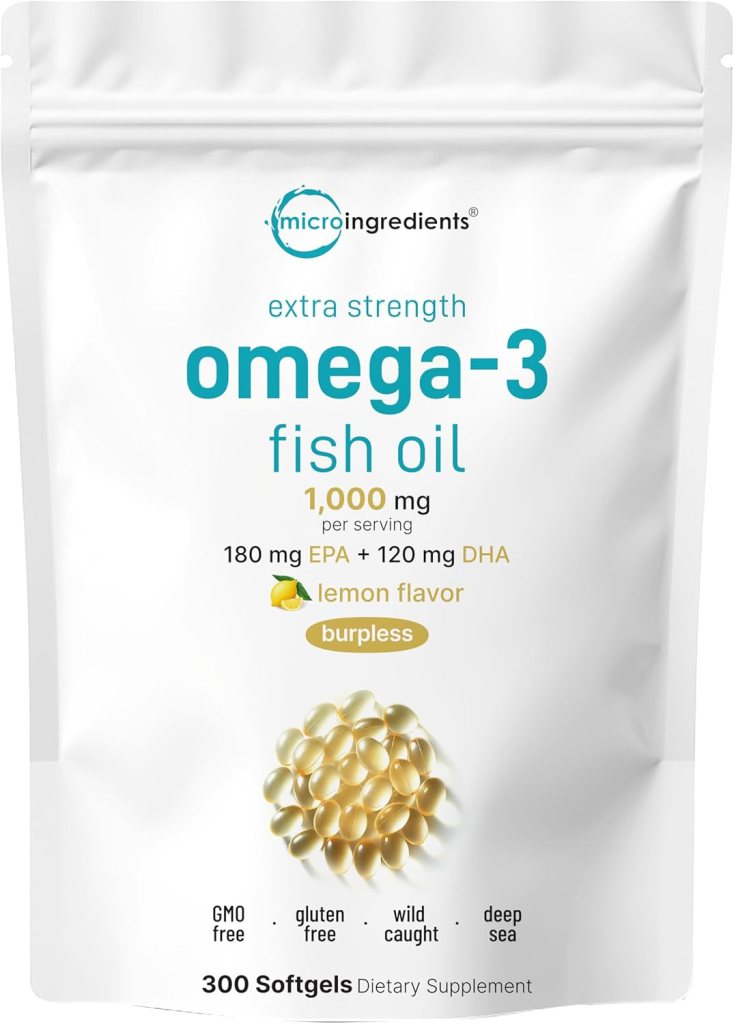
Omega 3-s
Limit Social Media Usage
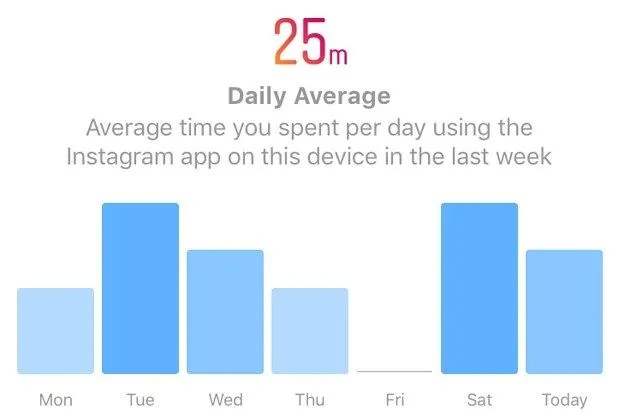
Social media’s kind of a double-edged sword. On one hand, it’s great for keeping up with friends and procrastinating when you should be studying. On the other, it’s a huge stress trigger – especially when everyone’s posting their highlight reels. I used to spend way too much time scrolling through Instagram, feeling like I was the only one not living my best life. Turns out, doomscrolling isn’t great for mental health. Who knew?
One thing that helped me was setting app limits on my phone. Just having that little reminder pop up when I’d hit 30 minutes was enough to make me close out of TikTok and actually, you know, do stuff. Also, unfollowing accounts that made me feel awful (sorry, influencers) made a big difference. Surrounding yourself with positive or at least realistic content helps keep the comparison trap at bay.
The trick isn’t quitting social media completely – it’s just about making sure it’s not running your day. A quick detox now and then or even just muting certain accounts can help you stay focused and less anxious.
Reach Out for Professional Help if Needed
Okay, real talk – admitting you need help is hard. I put off seeing a campus counselor for months, even though I knew I was struggling. Part of it was pride, part of it was not wanting to admit things were that bad. When I finally made an appointment, I was surprised by how… normal it was. No dramatic couches or “tell me about your childhood” stuff – just a down-to-earth chat about what was stressing me out. And honestly? It was a relief to have someone actually listen without making it a big deal.
The thing is, college mental health resources are seriously underrated. Most campuses offer free or low-cost counseling, but a lot of students don’t take advantage of it because they think their problems aren’t “serious enough.” Trust me, you don’t need to wait until you’re having a full-on breakdown to talk to someone. Even if you’re just overwhelmed by classes or feeling stuck, a few sessions can help you get your head straight.
And if in-person stuff isn’t your jam, there are so many online therapy options now. Platforms like BetterHelp or Talkspace let you text or video chat with licensed therapists from your dorm room – no awkward waiting rooms required. I’ve had friends who swore by it, especially during finals when leaving your room feels like a mission to Mars. Plus, a lot of these platforms offer student discounts, which is a bonus when your budget’s mostly instant ramen and coffee.
Another thing that really surprised me was how practical therapists are. I always thought therapy was all about digging into your past, but a lot of sessions were just about finding simple strategies to handle stress or manage my time better. One counselor suggested a “brain dump” every night – basically scribbling down all the stuff I was worried about before bed. It sounds basic, but it actually helped me sleep instead of staring at the ceiling, overthinking everything.
If you’re worried about privacy, don’t be. Counselors on campus keep everything confidential unless you’re at risk of hurting yourself or someone else. And if you’re not vibing with the first therapist you meet, that’s normal too. Finding someone you click with might take a couple of tries, but it’s worth it. Think of it like finding the right professor—sometimes you need to switch classes to get someone who actually helps you learn.
The bottom line? Asking for help isn’t weak – it’s smart. College is stressful enough without trying to go it alone. Even just sending an email to schedule an appointment can be a huge step toward feeling more in control. So don’t wait until things hit rock bottom; reach out sooner rather than later. You might be surprised by how much lighter everything feels afterward.
Looking to boost your confidence too? Check out our guide on How to Build Confidence: Proven Strategies for Self-Growth in 2025.
Make Time for Hobbies and Relaxation
I used to think taking breaks was a waste of time – like, how was I supposed to justify playing video games or reading when I had a mountain of assignments? Spoiler alert: trying to grind 24/7 just led to burnout. By midterms, I was so fried that even scrolling through TikTok felt exhausting. That’s when I realized that having hobbies isn’t just about fun – it’s kind of necessary for staying sane.
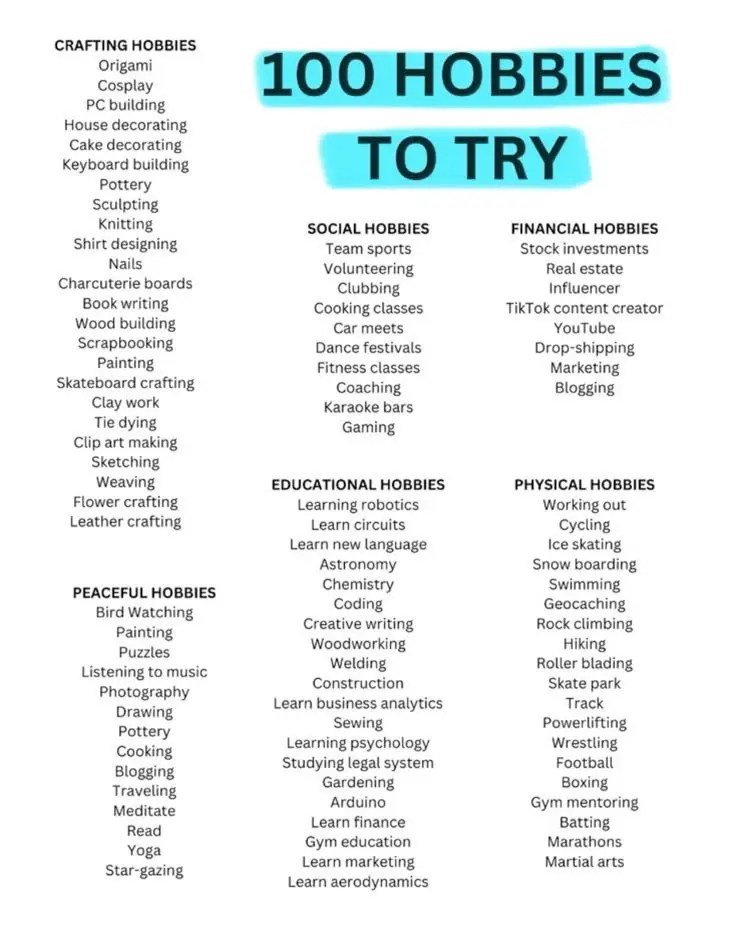
Hobbies are like mental reset buttons. They give your brain something different to focus on, which actually helps with concentration when you get back to studying. If you’re not sure what hobby to pick up, think about what you enjoyed before college turned your schedule into chaos. Painting, hiking, baking – whatever makes you lose track of time is a good start. One friend of mine started knitting during lectures (seriously) because it helped her focus. Another got into gardening, which I thought was kind of weird until I tried it. Turns out, repotting succulents is surprisingly therapeutic.
Blocking out time for hobbies might feel weird at first, like you’re putting fun on your to-do list. But scheduling even an hour a week can help you stick with it. I started doing “no-study Saturdays” where I’d go hiking or hit the gym – no textbooks allowed. Yeah, it meant a bit of catch-up on Sundays, but the mental break made it way easier to focus during the week.
And let’s not forget about the social side of hobbies. Joining a club or a rec league is a sneaky way to meet people who actually share your interests – not just classmates you awkwardly chat with before a lecture. Whether it’s a D&D group, a yoga class, or intramural soccer, having something regular that gets you out of your room makes a big difference. Especially during those weeks when everything feels like a grind.
If nothing else, hobbies remind you that it’s okay to do things just because you like them, not because they’re productive. College is stressful enough without guilt-tripping yourself for enjoying life now and then. So go ahead – binge that anime, try making bread from scratch, or take up photography. Your GPA won’t implode if you take a break now and then, I promise.
Conclusion
Let’s be real – college is stressful, and keeping your mental health in check might be the toughest part. Between classes, social stuff, and trying to adult for the first time, it’s a lot. But the good news? There are plenty of ways to handle it without completely losing your mind.
Setting up a routine that actually works is a game-changer. Swapping all-nighters for a decent sleep schedule and squeezing in some exercise – even if it’s just a quick walk – makes a huge difference. Pair that with time management tricks like planners and realistic goals, and suddenly, things don’t feel so overwhelming.
Staying connected with friends helps too. Even quick catch-ups can remind you that you’re not alone in feeling overwhelmed. And if things get really heavy, reaching out for professional help isn’t something to be ashamed of. In fact, it might be the smartest move you can make.
Let’s not forget hobbies and downtime. Giving yourself permission to do things you actually enjoy – whether it’s gaming, painting, or working out – makes the grind feel less brutal. Your brain needs a break, and that’s okay.
In the end, taking care of your mental health isn’t about doing everything perfectly. It’s about figuring out what works for you and being okay with the fact that some days will still suck. So take it one step at a time, and remember – you’ve got this!
 WellForm365
Leave a comment