

How to Build Confidence? Proven Strategies for Self-Growth in 2025
Confidence isn’t something you’re born with – it’s something you build! Many people struggle with self-doubt, anxiety, and low self-esteem, but the good news is that confidence is a skill you can develop. Whether you’re preparing for a big presentation, trying something new, or stepping out of your comfort zone, you can take control of your mindset. Studies show that people with higher self-confidence experience greater success in their personal and professional lives. So, let’s dive into actionable strategies to help you become the most confident version of yourself!
- How to Build Confidence? Proven Strategies for Self-Growth in 2025
- Why Confidence Matters: The Link Between Self-Esteem, Anxiety, and Growth
- Track Your Achievements to Recognize Your Progress
- Embrace Continuous Learning and Personal Growth
- Step Out of Your Comfort Zone to Gain Confidence
- Take Responsibility for Your Life and Actions
- Don’t Overthink – Let Things Flow Naturally
- Face Your Fears by Imagining the Worst-Case Scenario
- Conclusion
Why Confidence Matters: The Link Between Self-Esteem, Anxiety, and Growth
I used to think confidence was something you either had or didn’t. You know, like those people who walk into a room and instantly own it? Meanwhile, I was the one overanalyzing every word I said and replaying awkward moments from five years ago. But over time, I realized that confidence isn’t magic – it’s built. And funny enough, it’s tangled up with self-esteem and anxiety in ways I never expected.
At its core, confidence comes from self-perception – how you see yourself affects everything. If you believe you’re capable, you’ll act like it. If you don’t, well, that’s when anxiety sneaks in and starts whispering, What if you fail? What if you look stupid? I used to let those thoughts run the show. I’d avoid speaking up in meetings, hesitate to take risks, and worst of all, I’d talk myself out of opportunities before even trying. Looking back, I wasn’t lacking skill – I was just stuck in a mindset that told me I wasn’t good enough.
Here’s where it gets interesting: self-esteem, confidence, and anxiety all stem from the same place – your self-worth. If you feel unworthy, it’s easy to spiral into self-doubt and stress. But when you start valuing yourself, confidence naturally grows. The problem? Most of us wait for confidence to magically appear before taking action, when in reality, it’s the other way around.
I remember the first time I forced myself to challenge this cycle. It was something simple – volunteering to lead a project at work. Every bone in my body screamed, What if you mess up? But I pushed through, and guess what? I didn’t die of embarrassment. In fact, I did well. That one decision chipped away at my self-doubt and proved to me that confidence is built through action.
The secret is this: confidence grows every time you challenge yourself. The more you step up, the less power anxiety has. It doesn’t mean the fear goes away entirely, but you learn to move through it. I won’t pretend it’s easy – there are still days when my mind tries to convince me I’m not capable. But now, I recognize those thoughts for what they are: just noise.
So, if you’re feeling stuck in self-doubt, ask yourself – Am I holding myself back because I truly can’t do something, or because I believe I can’t? The answer might surprise you. And if you want to start changing that belief, take a small risk today. Just one. Say yes to something scary. I promise, it’s the only way confidence starts to stick.
Track Your Achievements to Recognize Your Progress
Confidence isn’t a switch you flip; it’s something you build, piece by piece. And one of the best ways to do that? Tracking your achievements.
It might sound small, but keeping track of your wins – no matter how tiny – can completely change the way you see yourself. I didn’t realize this until I started a confidence journal. Every night, I’d write down three things I did well that day. Some days, they were big wins, like nailing a presentation. Other days, it was as simple as speaking up in a conversation or resisting the urge to procrastinate. At first, it felt kind of silly, but over time, something shifted. I started noticing my progress instead of brushing it off.
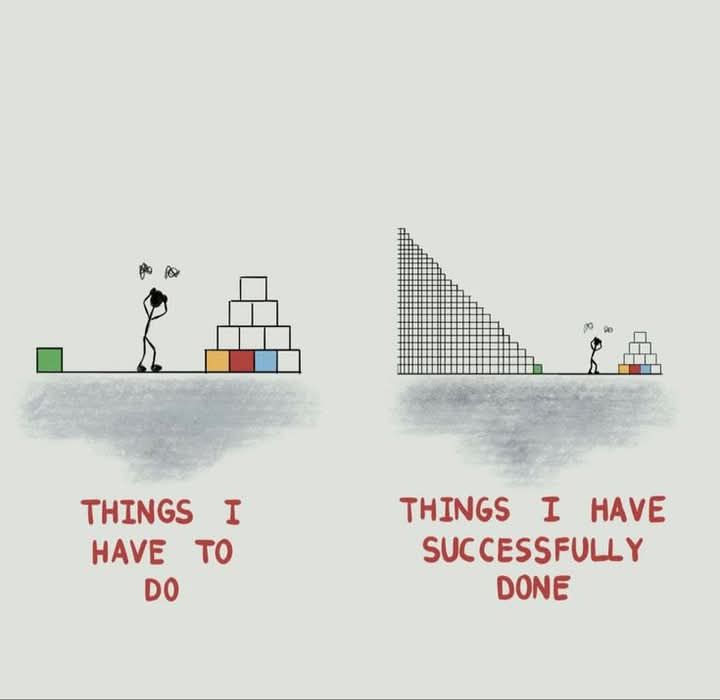
The thing is, we’re really bad at remembering our own growth. We’re quick to dwell on mistakes but forget the little victories that add up over time. That’s why reflecting on past achievements is so powerful. When you look back at where you started, you realize you’re not the same person you were six months ago, or even last week. Maybe you finally asked for that raise. Maybe you handled a stressful situation better than you would have before. These things matter.
And here’s the kicker: progress is what counts, not perfection. I used to get stuck in the mindset of “If I’m not doing it perfectly, it doesn’t count.” That’s nonsense. Every step forward – no matter how small – is proof that you’re improving. The goal isn’t to never struggle. The goal is to keep moving forward, even when it’s messy.
So, if you haven’t already, start tracking your wins. Write them down. Celebrate them. Look back at them when you’re feeling stuck. Confidence doesn’t come from achieving one big thing – it comes from realizing you’re already capable of more than you thought.
Embrace Continuous Learning and Personal Growth
What one of the best ways to build confidence? Investing in self-improvement. When you actively learn – whether it’s through reading books, taking courses, or developing new skills – you remove uncertainty. And uncertainty is what fuels self-doubt. I can’t tell you how many times I’ve felt insecure about something, only to realize that the real issue was simply not knowing enough. Once I started learning, everything changed. The more I understood, the more capable I felt.
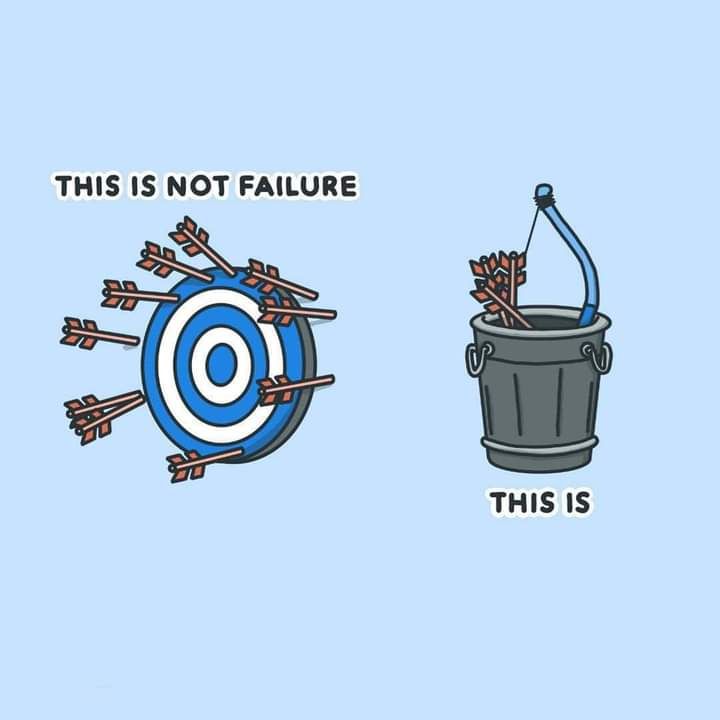
Of course, part of growth is also embracing failure. I used to avoid things I wasn’t instantly good at because I didn’t want to mess up. But looking back, every mistake I made taught me something valuable. The key is to see failure as feedback, not a dead-end. When you shift your mindset like that, fear loses its grip on you.
One of the easiest ways to start this journey? Books. I honestly believe reading has been one of the biggest game-changers for my confidence. The right books don’t just teach you strategies – they shift your mindset. If you’re looking to boost your self-confidence, here are a few that really helped me:
📖 The Confidence Code by Katty Kay & Claire Shipman – This book dives deep into the science of confidence, showing how it’s not just about talent but about action. It’s perfect if you overthink things and need a push to start trusting yourself.
📖 Mindset: The New Psychology of Success by Carol S. Dweck – A must-read if you struggle with self-doubt. It teaches you about the difference between a fixed mindset and a growth mindset—and trust me, shifting to a growth mindset makes all the difference in how you see yourself.
📖 The Six Pillars of Self-Esteem by Nathaniel Branden – This book completely changed the way I viewed self-worth. It breaks down confidence into practical steps and explains why self-esteem is the foundation of everything.
📖 Feel the Fear and Do It Anyway by Susan Jeffers – This one is perfect if fear tends to hold you back. It teaches you how to take action despite feeling scared—and honestly, that’s the secret to confidence.
If you’re serious about building confidence, pick up one of these books. Even just reading a few pages a day can shift your mindset and help you grow. Because at the end of the day, confidence isn’t about knowing everything – it’s about trusting yourself enough to learn as you go.

Step Out of Your Comfort Zone to Gain Confidence
Confidence comes from doing things that make you uncomfortable. The more you challenge yourself, the more you realize that fear doesn’t have as much power as you thought. And honestly? That’s when you start feeling unstoppable.
Think about it – what’s the scariest part of trying something new? The unknown, right? Your brain starts throwing worst-case scenarios at you: What if I fail? What if I embarrass myself? What if people judge me? But here’s the thing: even if you fail, you win. Because every time you push through anxiety, you’re training yourself to handle discomfort. And that builds confidence like nothing else.
So where do you start? Here is example of challenges:
💼 Take on additional tasks at work. Even if you’re not 100% sure you can do it, say yes and figure it out as you go. Proving to yourself that you can handle more responsibility makes you feel way more capable.
💪 Get to the gym, even if you feel awkward. I remember walking into the gym for the first time and feeling like everyone was watching me (spoiler: they weren’t). Pushing past that discomfort made me feel stronger – not just physically, but mentally too.
❤️ Ask that girl on a date. The worst that can happen? She says no. The best? You go out and have a great time. Either way, you win because you showed yourself that rejection isn’t the end of the world.
🚀 Try something completely new. Sign up for a class, start a side project, travel solo -whatever feels slightly intimidating but also exciting.
Confidence isn’t about always being comfortable. It’s about proving to yourself that you can handle discomfort and come out stronger. And the crazy part? Once you’ve stepped outside your comfort zone, it expands. The things that once scared you start to feel normal. That’s when you know you’ve grown.
Take Responsibility for Your Life and Actions
At some point, I had to face a hard truth: no one was coming to save me. No mentor, no lucky break, no magical moment was going to suddenly make me confident, successful, or happy. If I wanted a better life, I had to take full responsibility for it. And honestly? That realization was both terrifying and freeing.
Confidence isn’t just about feeling good in the moment – it’s about knowing you have control over your own path. When you take responsibility for your actions, your habits, and your mindset, you stop waiting for permission and start creating opportunities. It’s the difference between saying, “I wish I could do that” and “I’m going to figure out how to make that happen.”
Stop Waiting for the «Perfect Moment» – It Doesn’t Exist
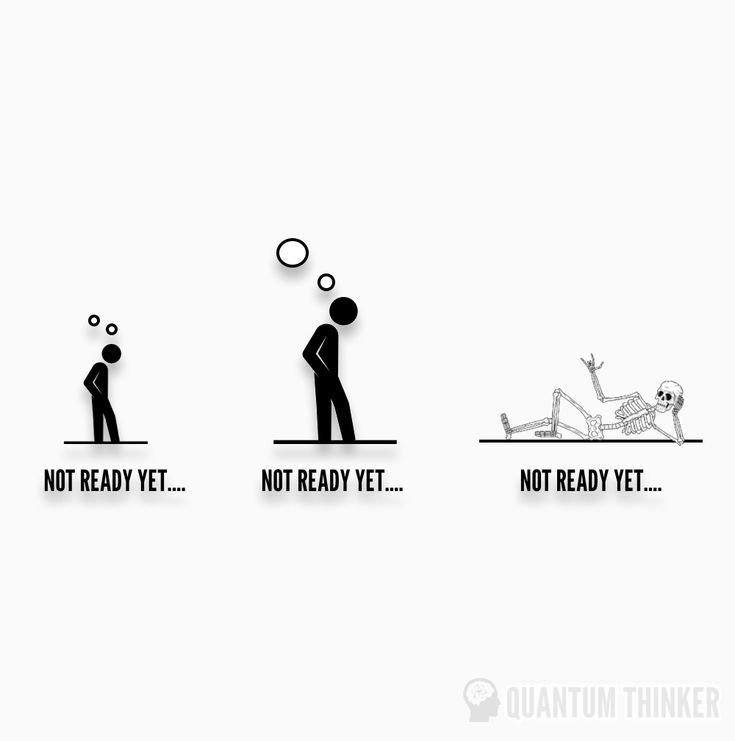
How many times have you told yourself, “I’ll start when I’m ready”? Spoiler alert: you’ll never feel fully ready. There will always be a reason to wait—more money, more time, more experience. But here’s the truth: the perfect moment is a myth.
Want to start a business? You don’t need the perfect business plan – just take the first step. Thinking about switching careers? You don’t have to wait until you have all the skills – start learning now. Want to be more social? Stop overthinking and just send that invite. Action builds momentum, and momentum builds confidence.
A big part of confidence is proving to yourself that you can follow through. That’s why setting goals – realistic, actionable goals – is so important. Not vague dreams like “I want to be successful” but concrete steps like “I will apply to three jobs this week” or “I will work out three times a week for the next month.”
And here’s the kicker – you have to hold yourself accountable. No excuses, no blaming circumstances. If you don’t hit a goal, figure out why, adjust, and keep going. The more you show yourself that you can follow through, the more confident you become.
At the end of the day, your life is your responsibility. The sooner you own that, the sooner you’ll realize just how much power you actually have.
For more on managing stress and mental health, read our 10 Essential Mental Health Tips for College Students in 2025.
Don’t Overthink – Let Things Flow Naturally
Overthinking is the enemy of confidence. I’ve lost count of how many times I sat there, playing out every possible scenario in my head, only to end up doing… nothing. Sound familiar? Whether it’s overanalyzing a conversation, second-guessing a decision, or obsessing over the “right” move, too much thinking leads to self-doubt and hesitation – not clarity.
The truth is, most of the time, the best thing you can do is just act. That doesn’t mean being reckless, but rather trusting yourself enough to stop running in circles. The more you delay, the more your mind will come up with reasons why something won’t work. But confidence isn’t built by thinking – it’s built by doing.
Ever spent hours debating whether to send a message, apply for a job, or try something new, only to talk yourself out of it? Yep, been there. But here’s the thing: if you’re constantly stuck in your head, you’re missing out on real-life opportunities.
- Instead of obsessing over the perfect response, just reply and move on.
- Instead of analyzing whether you’re qualified enough, submit the application and see what happens.
- Instead of waiting for the right moment, take the first step – because no moment is ever truly perfect.
Most of life’s best opportunities don’t come from perfect planning but from being open to the unexpected.
One of the hardest lessons I’ve learned is that control is an illusion. You can’t predict how people will react, how events will play out, or whether everything will go as planned. And that’s okay! Instead of trying to micromanage every detail, learn to trust the process.
- If you’re worried about messing up, remind yourself that mistakes are how you learn.
- If fear of failure is holding you back, focus on the experience, not the outcome.
- If things don’t go as expected, adapt and keep moving – because confidence comes from resilience, not perfection.
At the end of the day, confidence isn’t about having all the answers – it’s about trusting yourself to figure things out as you go. So stop overthinking, take a deep breath, and let life unfold. You might be surprised at how much better things flow when you stop trying to control every little detail.

Face Your Fears by Imagining the Worst-Case Scenario
Fear has a funny way of making things seem way worse than they actually are. The more you avoid confronting it, the bigger it grows in your mind. But here’s a trick that changed the game for me: imagine the absolute worst-case scenario.
Yeah, I know it sounds counterintuitive. Who wants to dwell on the worst that could happen? But here’s the secret – once you visualize that worst-case outcome, something magical happens. The fear? It shrinks. Suddenly, the monster you’ve been avoiding feels more like a little nuisance.
I used to overthink every decision. I’d avoid taking risks, especially when it came to things like applying for a new job, speaking in front of a crowd, or even asking someone out. I’d imagine all sorts of awful scenarios. What if I get rejected? What if I fail? What if they laugh at me? But after a while, I started flipping the script. I began to ask myself, What’s the absolute worst that could happen if I do nothing?
For example, I had the chance to speak at a local event, and the thought of it terrified me. I imagined blanking out on stage, looking foolish, and having people think I was a fraud. But when I really dug into the worst-case scenario, it wasn’t so terrible. The worst thing that could happen? I mess up, people forget, and I try again next time.
When I realized the stakes weren’t as high as I thought, I felt more confident to move forward. And guess what? The speech went great! Sure, I made a couple of mistakes, but nothing catastrophic happened.
This technique doesn’t just work for big moments like public speaking – it can be applied to everyday situations, too. Whether it’s sending a risky email, applying for a job, or confronting someone about an issue, the process is the same:
- Identify your fear – What exactly are you worried about? Be specific.
- Imagine the worst-case scenario – What’s the absolute worst that could happen?
- Weigh the consequences – How bad would it really be if the worst happened?
- Take action anyway – Knowing the worst-case scenario often makes the fear feel less daunting.
Fear often has power because it thrives on the unknown. We don’t know what will happen, so we imagine worst-case outcomes. But by confronting that fear and putting it in perspective, we start to realize it’s not as scary as we think. And once we realize that, taking action becomes a whole lot easier.
Next time fear is holding you back, try this technique. Imagine the worst-case scenario, accept it, and then move forward anyway. You might just find that the fear wasn’t the problem – inaction was.
Conclusion
Confidence is not something you’re born with – it’s something you build. By understanding the connection between self-esteem, anxiety, and growth, you can start tackling insecurities and boosting your confidence. Track your achievements to recognize how far you’ve come, and embrace continuous learning to gain the knowledge that makes you feel more capable. Stepping out of your comfort zone and taking on new challenges will make you stronger, while taking responsibility for your life will put you in control of your future. Don’t let overthinking stop you from moving forward; trust yourself and let things unfold naturally. And when fear strikes, imagine the worst-case scenario – you’ll often realize it’s not as bad as you think, and that makes it easier to take action.
Building confidence is a process, but with each step, you’ll become more resilient, capable, and self-assured. So, embrace the journey, keep challenging yourself, and remember – confidence comes from doing, not just thinking.
 WellForm365
Leave a comment