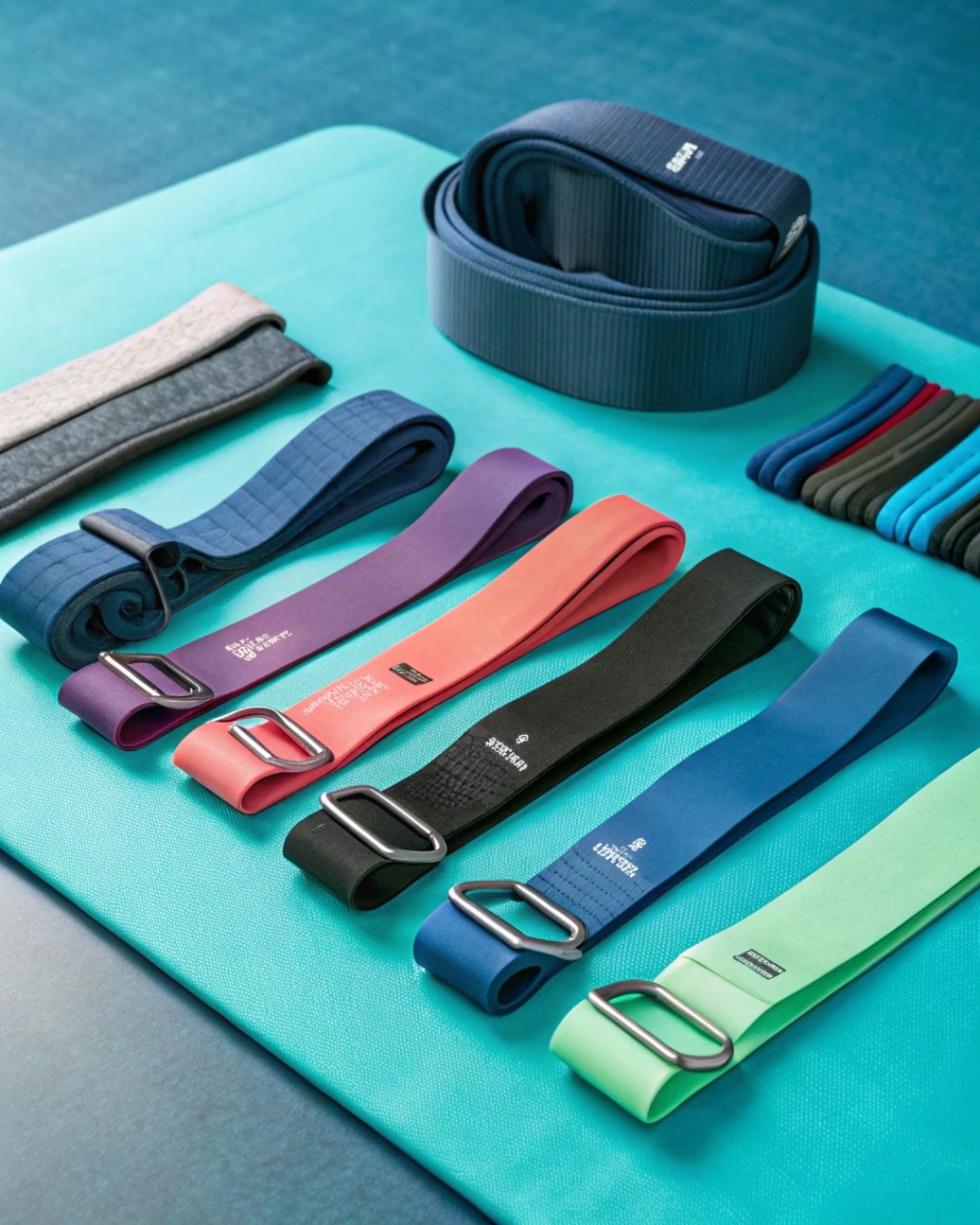

How to Choose the Best Exercise Bands for Your Fitness Goals (2025 Guide)
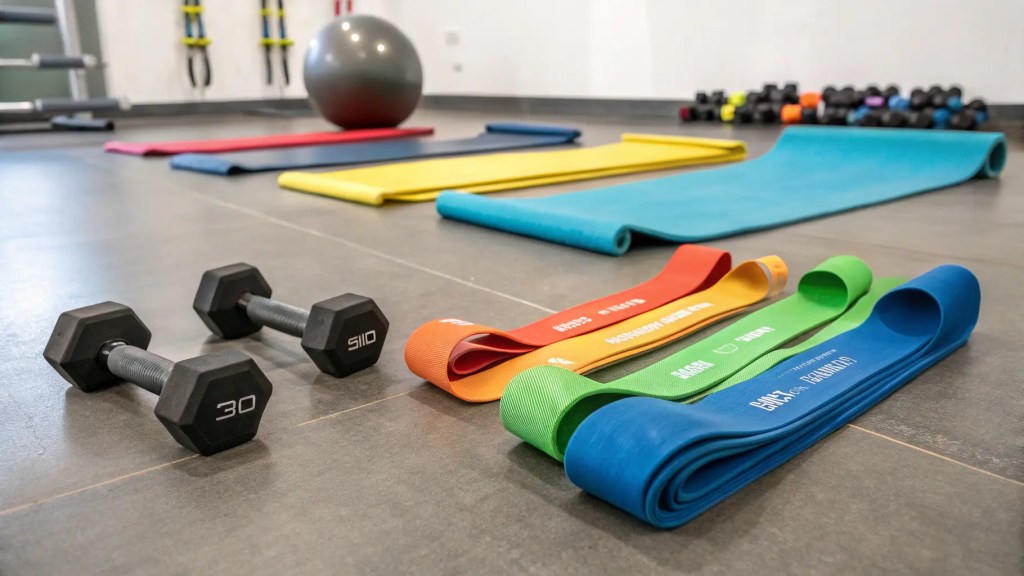
Resistance bands are a game-changer for fitness enthusiasts of all levels. Whether you’re aiming to build strength, recover from an injury, or improve flexibility, choosing the right bands is key. But with so many options – loop bands, tube bands, fabric bands – how do you pick the best one? In this guide, we’ll help you navigate the choices so you can invest in the best exercise bands for your needs.
Table of Contents
- How to Choose the Best Exercise Bands for Your Fitness Goals (2025 Guide)
- Why Exercise Bands Are a Must-Have for Any Workout
- Types of Exercise Bands and Their Uses
- Loop Bands: Best for Lower Body Workouts and Mobility Training
- Tube Bands with Handles: Great for Full-Body Resistance Training
- Fabric Bands: Ideal for Glute Activation and Leg Workouts
- Therapy Bands: Perfect for Rehabilitation and Low-Impact Exercises
- Figure-8 Bands & Pull-Up Assist Bands: Specialty Bands for Specific Training Needs
- How to Choose the Right Resistance Band for Your Fitness Level
- Top-Rated Exercise Bands in 2025 (Reviews & Recommendations)
- Conclusion
Why Exercise Bands Are a Must-Have for Any Workout
I used to think resistance bands were just for physical therapy or warm-ups. You know, those flimsy rubber strips you see people stretching before a workout? But after using them consistently, I realized they’re basically a secret weapon for building strength, improving mobility, and even preventing injuries. If you’re still on the fence about adding them to your routine, let me break down why they’re a must-have – no matter your fitness level.
I used to be a die-hard dumbbell person. I loved the feeling of pushing heavy weights, but my joints? Not so much. That’s where resistance bands changed the game. Unlike free weights, which rely on gravity, bands provide constant tension throughout the entire movement. This means your muscles stay engaged longer, and you get a full range of motion with every rep.
Plus, have you ever tried doing a squat with a resistance band around your thighs? It burns in a way that weights just don’t. And for upper body work, resistance bands can actually mimic cable machine exercises – think lat pulldowns, chest flies, and triceps extensions – without needing a full gym setup.
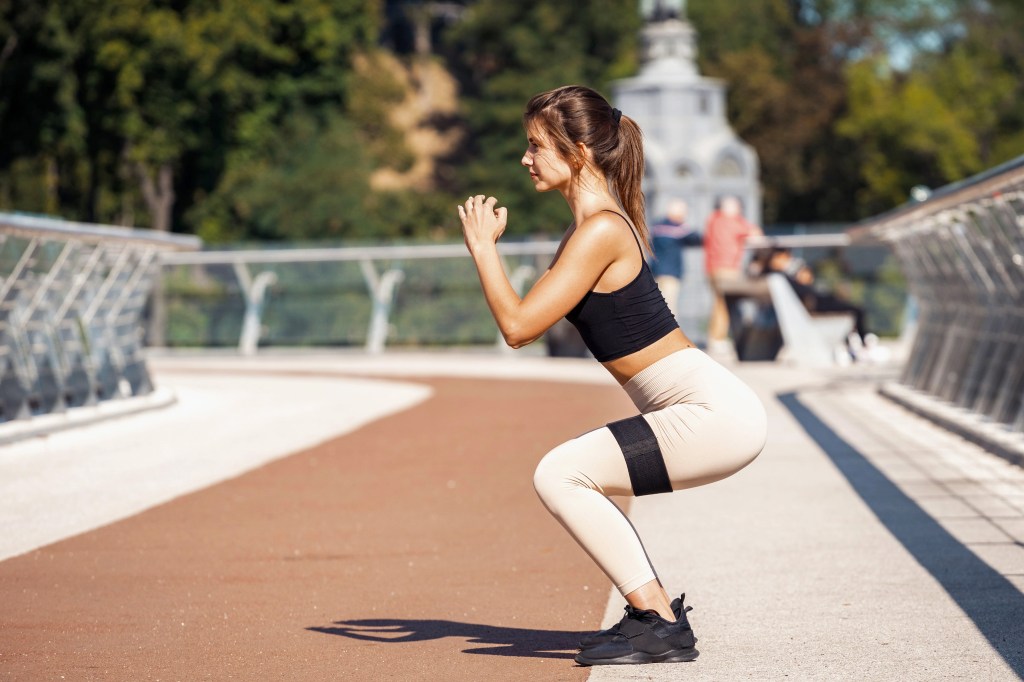
If you’re like me, you probably skip stretching more often than you should. But resistance bands make mobility work way easier (and more effective). Using light bands for dynamic stretching helps improve flexibility and keeps joints healthy. I started incorporating them into my warm-ups, and my shoulders and hips feel so much looser now. They’re also amazing for injury prevention and rehab.
Not gonna lie – lugging dumbbells around isn’t exactly practical. But resistance bands? They fit in any bag, weigh practically nothing, and you can use them anywhere. When you;’re travelling, you can toss a few loop bands into suitcase, and you have got a full-body workout wherever you go. Hotel rooms, parks, even the beach – it doesn’t matter.
They’re also a lifesaver for home workouts. If you don’t have space for a bunch of gym equipment, a set of resistance bands can replace dumbbells, kettlebells, and even some machines. Just anchor them to a door, a sturdy chair, or even your foot, and you can hit every muscle group with minimal setup.
Whether you want to build strength, improve mobility, or just have a solid workout option for home and travel, resistance bands are a must-have. They’re versatile, easy on the joints, and way more challenging than they look. Trust me – once you start using them, you’ll wonder why you didn’t sooner.
Types of Exercise Bands and Their Uses
Loop Bands: Best for Lower Body Workouts and Mobility Training
Loop bands are probably the most popular type, and for good reason. They’re small, simple, and ridiculously effective for lower-body workouts. If you’ve ever done squats or glute bridges with one of these wrapped around your thighs, you know how intense they can be.
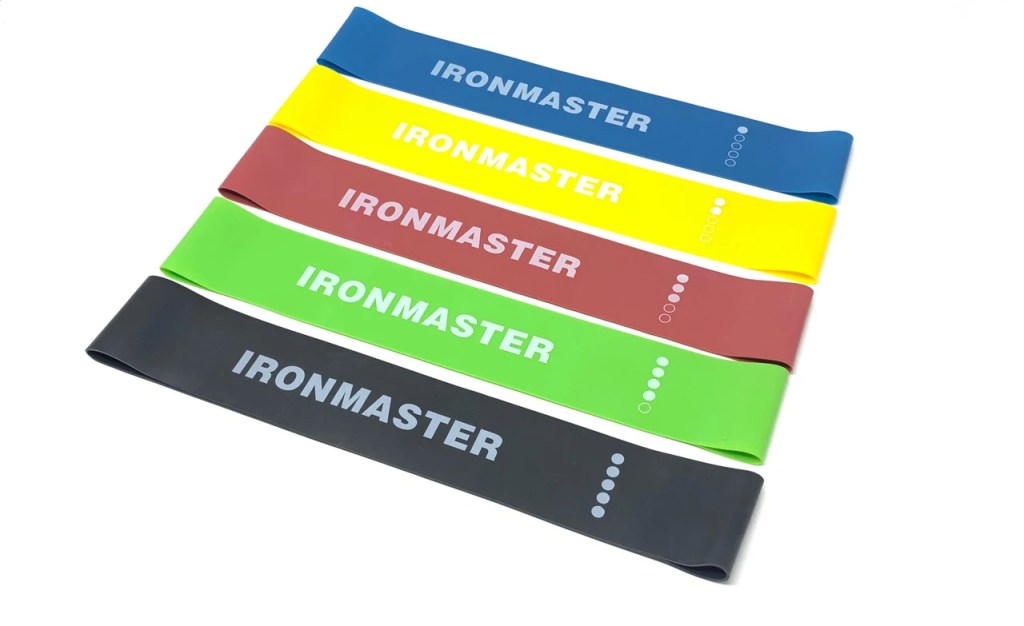
Loop bands can be used for:
✅ Glute activation
✅ Lateral band walks to strengthen hips
✅ Mobility exercises to keep knees and ankles in check
They’re also great for adding resistance to body weight exercises, making them perfect for beginners or anyone looking to level up their lower-body routine.
Tube Bands with Handles: Great for Full-Body Resistance Training
If you want something that feels more like lifting weights, tube bands with handles are the way to go. These are the ones that usually come in a set with a door anchor, making them perfect for mimicking cable machine exercises. You can use them for everything – rows, chest presses, even bicep curls.
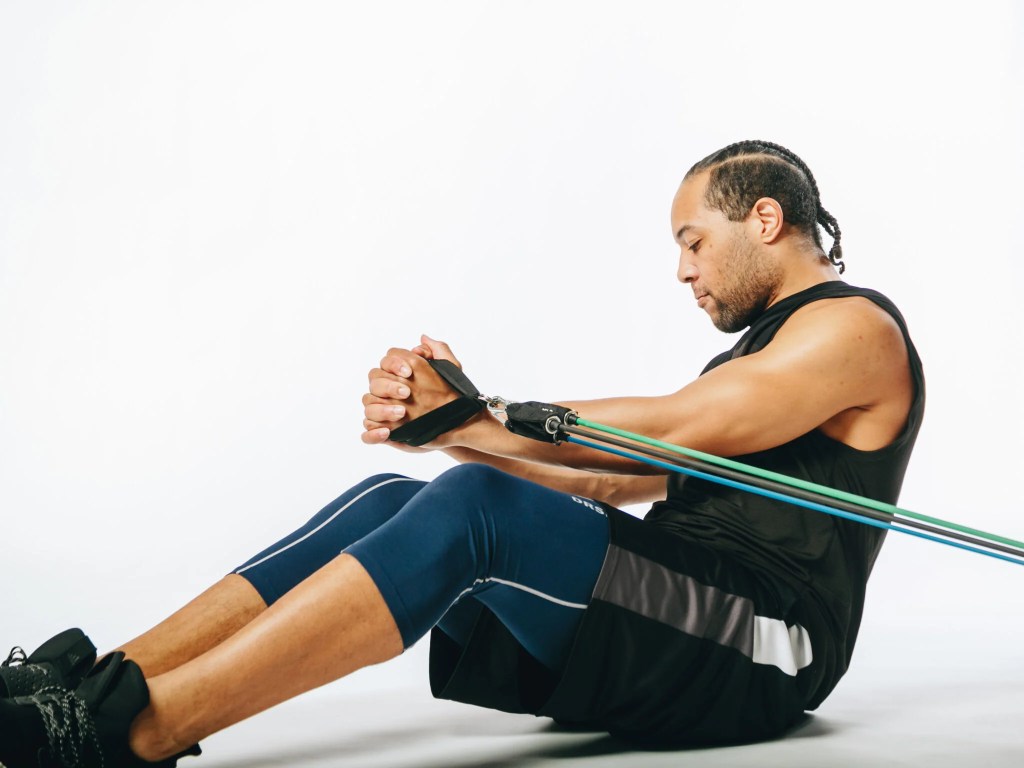
Best uses for tube bands:
✅ Full-body strength workouts
✅ Replacing dumbbells for home training
✅ Functional movements like punches or sport-specific drills
One thing to keep in mind – tube bands stretch a lot more than loop bands, so the resistance changes as you pull. That means controlling the movement is key, or else you’ll feel like the band is pulling you back instead of you controlling it.
Fabric Bands: Ideal for Glute Activation and Leg Workouts
Okay, fabric bands are a whole different beast. They don’t stretch as much as latex bands, but they create a crazy amount of resistance – especially for leg workouts. Plus, they don’t roll up or pinch like rubber bands do, which is a huge win in my book.
Use fabric bands for:
✅ Glute and hip exercises (squats, lunges, kickbacks)
✅ Extra resistance in leg workouts
✅ Stability work (keeping knees from caving in during squats)

If you’ve ever tried a side step with a fabric band, you know the burn is real. They’re not as versatile as loop bands, but for lower-body training, they’re unbeatable.
Therapy Bands: Perfect for Rehabilitation and Low-Impact Exercises
Therapy bands are super light and don’t have loops or handles – they’re just long, flat strips of latex. At first, I thought they were too easy, but after using them for shoulder rehab, I realized how important they are for controlled, low-impact movements.
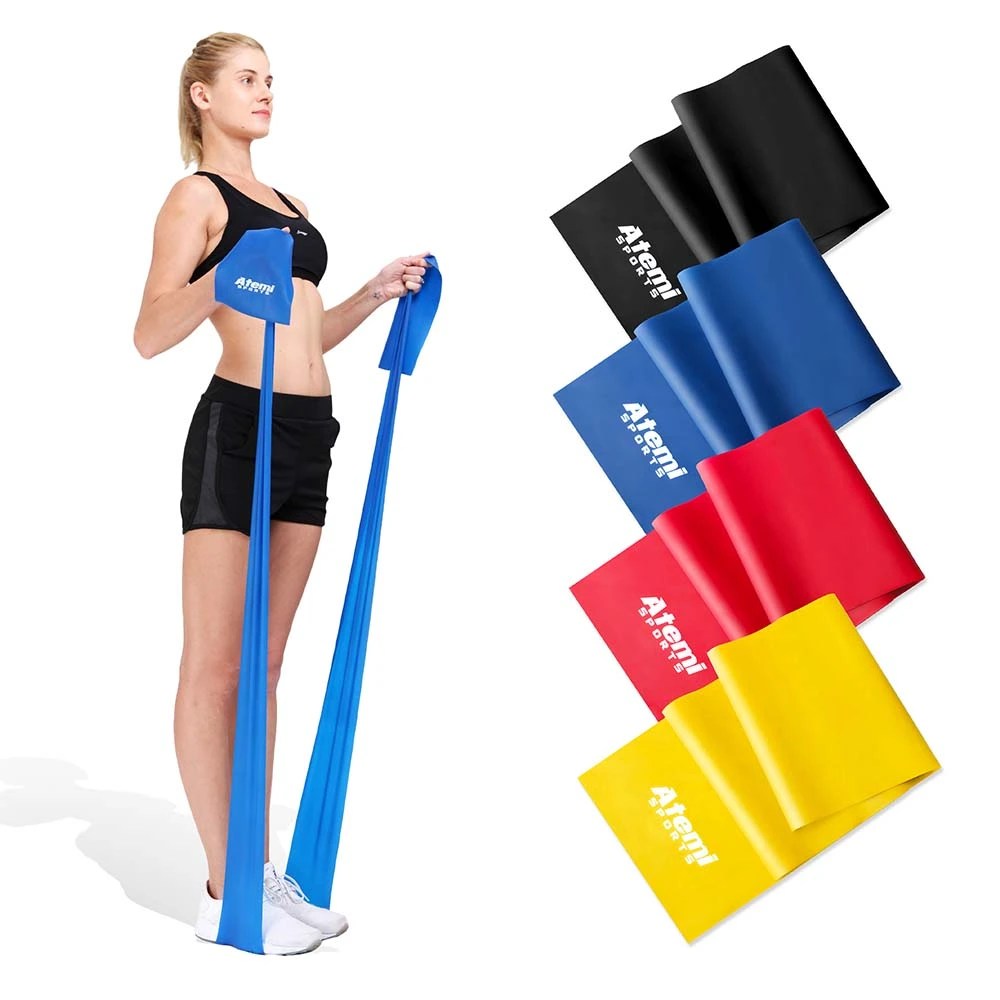
Best for:
✅ Physical therapy and rehab
✅ Mobility and flexibility training
✅ Gentle resistance for seniors or beginners
They’re not really for heavy resistance training, but if you need to strengthen small stabilizing muscles (like your rotator cuff or knees), these bands are good for that.
Figure-8 Bands & Pull-Up Assist Bands: Specialty Bands for Specific Training Needs
Last but not least, we have the specialty bands. These aren’t as commonly used, but they’re great if you have specific training goals.
- Figure-8 Bands: Shaped like an “8” with handles on both sides. These are awesome for upper-body work, like seated rows and bicep curls.
- Pull-Up Assist Bands: Long, thick bands designed to help you with pull-ups by reducing your body weight. I used one of these when I was learning pull-ups, and it made a huge difference.
If you’re focusing on pull-ups, powerlifting, or just want something unique, these bands are worth checking out.
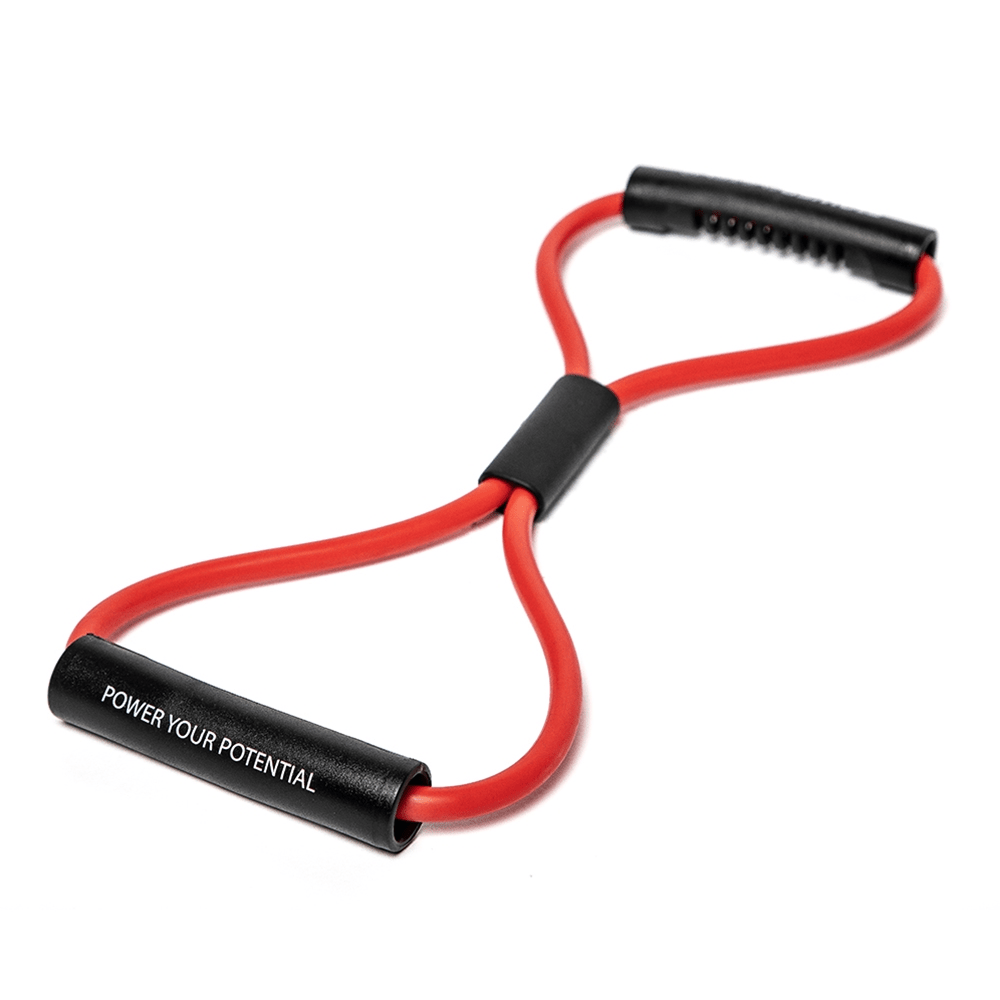
Figure-8 Band
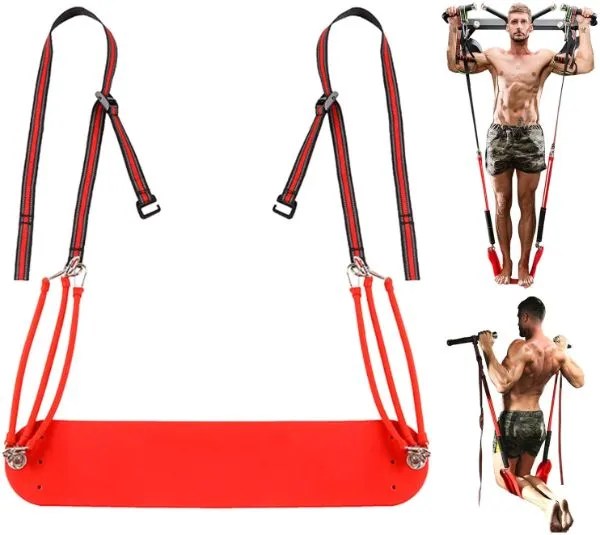
Pull-Up Assist Band
How to Choose the Right Resistance Band for Your Fitness Level
There are different colors, thicknesses, materials – some even come with handles, while others look like giant rubber bands. Probably you have no clue which one to pick, and honestly, you will just grab whatever look good. But turns out, choosing the right band actually matters – big time.
Here’s everything you need to know so you don’t end up with a band that’s either too easy (and basically useless) or so tough you can barely stretch it.
Understanding Resistance Levels: Light, Medium, Heavy, Extra-Heavy
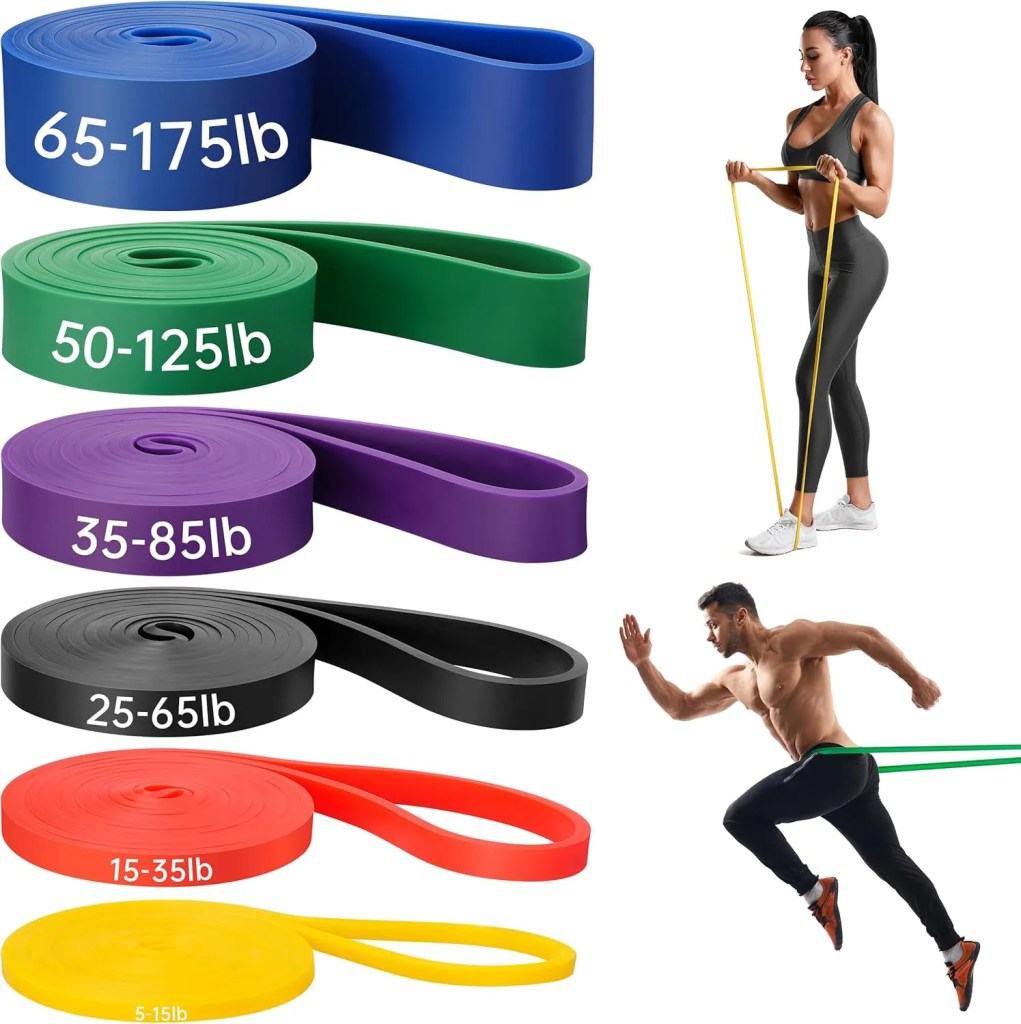
Resistance bands come in different tension levels, and trust me, that color – coding system? It’s not universal. One brand’s “light” band might feel the same as another brand’s “medium.” That’s why it’s better to check the actual resistance weight (usually measured in pounds or kg).
Here’s a general breakdown:
✅ Light Bands (5-15 lbs) – Best for beginners, rehab exercises, and mobility work. If you’re doing shoulder rehab or warm-ups, this is your go-to.
✅ Medium Bands (15-35 lbs) – Good for general strength training, core workouts, and stretching. If you’ve been working out for a while but aren’t ready for heavy resistance, start here.
✅ Heavy Bands (35-50 lbs) – Great for lower-body workouts, pull-up assistance, and advanced resistance training. These make squats, deadlifts, and presses way harder.
✅ Extra-Heavy Bands (50+ lbs) – Mostly used for powerlifting, advanced strength training, and assisted pull-ups. If you’re replacing weights with bands, you’ll want one of these.
Choosing Bands Based on Your Workout Goals
Picking the right resistance band depends a lot on what you’re trying to achieve. Are you looking to build strength? Improve flexibility? Recover from an injury? Different bands work better for different goals.
🔹 For Strength Training – Go for medium to heavy tube bands with handles or thick loop bands. These provide enough tension for exercises like rows, squats, and presses.
🔹 For Flexibility & Mobility – Light therapy bands or medium loop bands are best. They’re great for warming up, stretching, and improving joint mobility.
🔹 For Rehabilitation – Stick with light therapy bands. These offer controlled, low-impact resistance, which is key for recovering from injuries.
🔹 For Glute & Leg Workouts – Fabric bands or heavy loop bands will be your best friends. They don’t slip, and they create serious resistance for lower-body moves.
🔹 For Pull-Up Assistance – You’ll need a heavy or extra-heavy pull-up assist band. It helps reduce your body weight, making pull-ups easier while you build strength.
The biggest mistake? Buying one resistance band and thinking it’ll work for everything. Different exercises need different levels of resistance, so if you can, get a set with multiple strengths.
Materials: Latex vs. Fabric Bands – Which One is Better?
Another big decision – should you go for latex or fabric bands? Both have their pros and cons, and which one is better depends on how you plan to use them.
💥 Latex Bands (Loop, Tube, Therapy Bands)
✔️ More stretch, so they work well for dynamic movements
✔️ Great for upper-body and full-body exercises
✔️ Lightweight and easy to store
❌ Can roll up and pinch skin (especially on legs)
❌ Can wear out and snap over time
💪 Fabric Bands (Mostly Loop Bands)
✔️ No rolling or pinching—way more comfortable on skin
✔️ Best for lower-body exercises like squats, lunges, and glute work
✔️ More durable and long-lasting
❌ Less stretch, so they don’t work as well for upper-body moves
❌ Bulkier and take up more space
If you’re mostly doing glute and leg workouts, fabric bands are the way to go. But if you want something more versatile for full-body training, latex bands give you more options. I personally keep both around because, well… different workouts call for different tools.
Top-Rated Exercise Bands in 2025 (Reviews & Recommendations)
Resistance bands have exploded in popularity over the last few years, and for good reason -they’re versatile, effective, and ridiculously easy to store. But with so many options on the market, finding the right one can be a challenge. Some bands snap after a few months, others roll up like a stubborn burrito, and a few just don’t provide enough resistance to be worth it.
So, after digging through countless reviews, personal testing, and user feedback, here are the best resistance bands of 2025 – whether you’re a beginner, a heavy lifter, or just looking for a solid set to use at home.
Best Budget-Friendly Option for Beginners
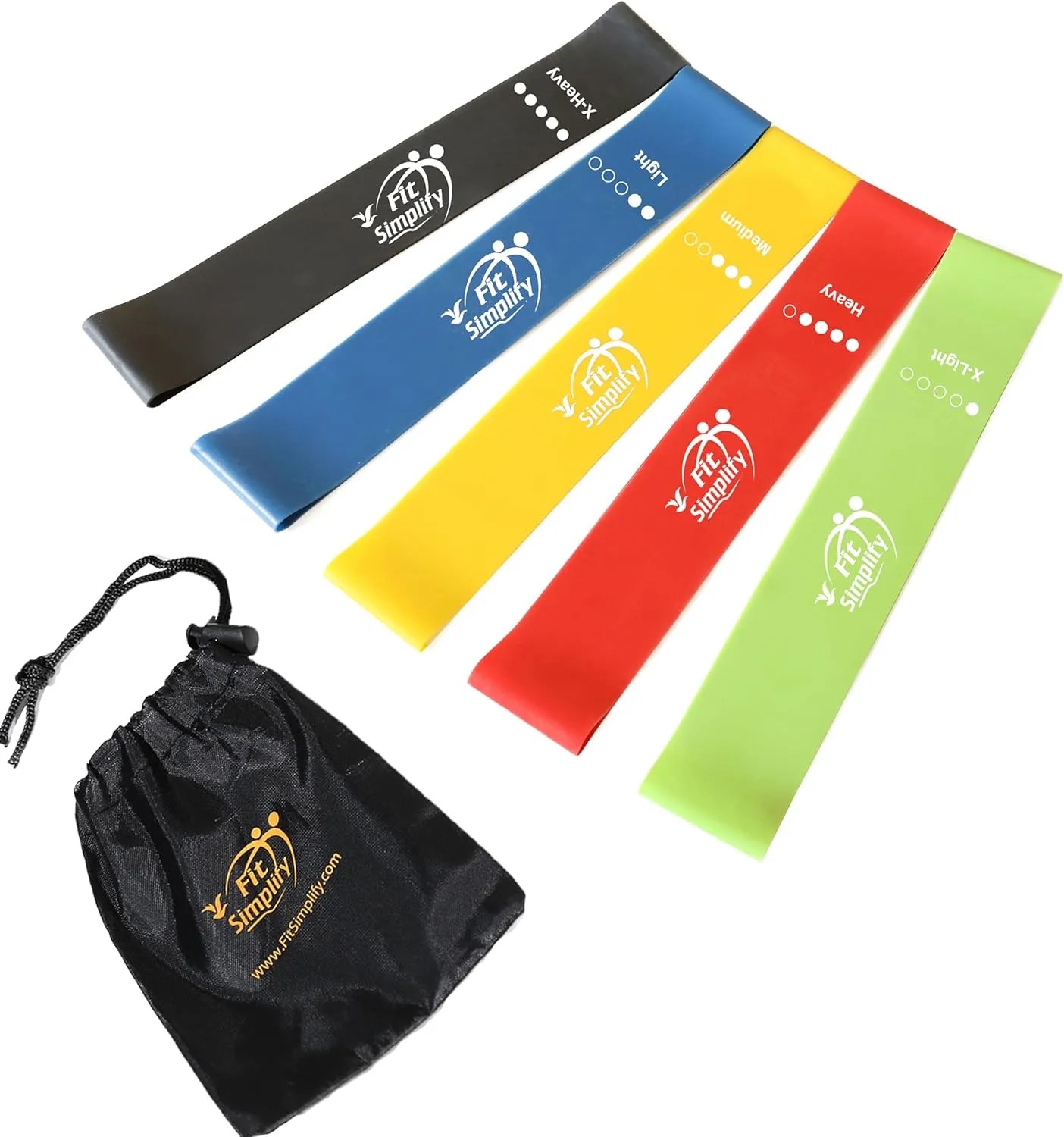
Fit Simplify Resistance Loop Bands
Fit Simplify’s bands are simple, effective, and super affordable -making them a great starting point for beginners. These latex loop bands come in a set of five, ranging from extra-light to extra-heavy resistance.
💰 Price: 9,99$
⭐ Rating: 4.6/5
Best Overall Resistance Bands for Fitness
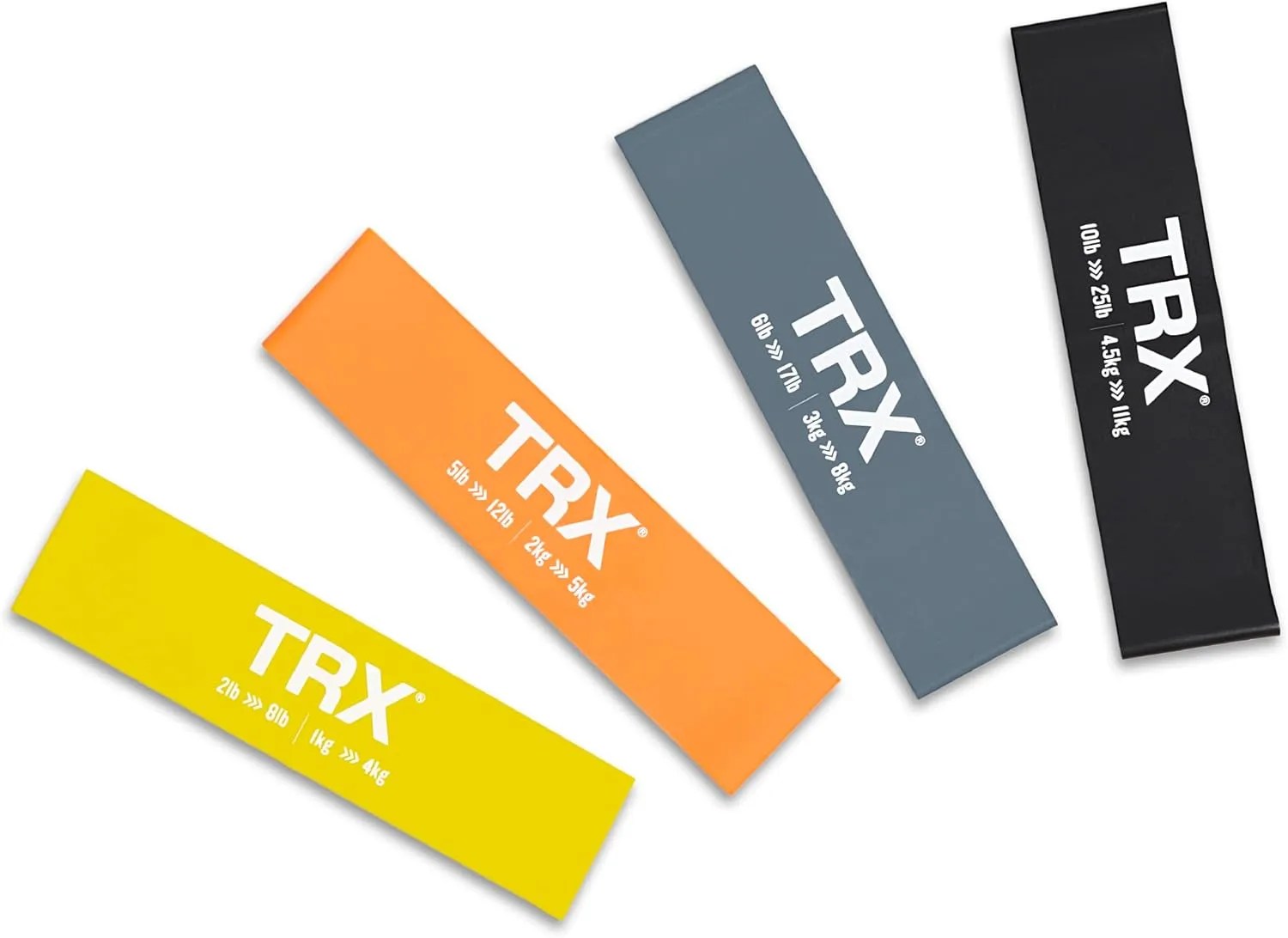
TRX Strength Bands
TRX has been a trusted name in fitness for years, and their resistance bands live up to the hype. These loop-style bands come in a variety of resistance levels and are perfect for strength training, mobility work, and even assisted pull-ups.
💰 Price: 22,95$
⭐ Rating: 4.8/5
Best Resistance Band Set for Home Workouts
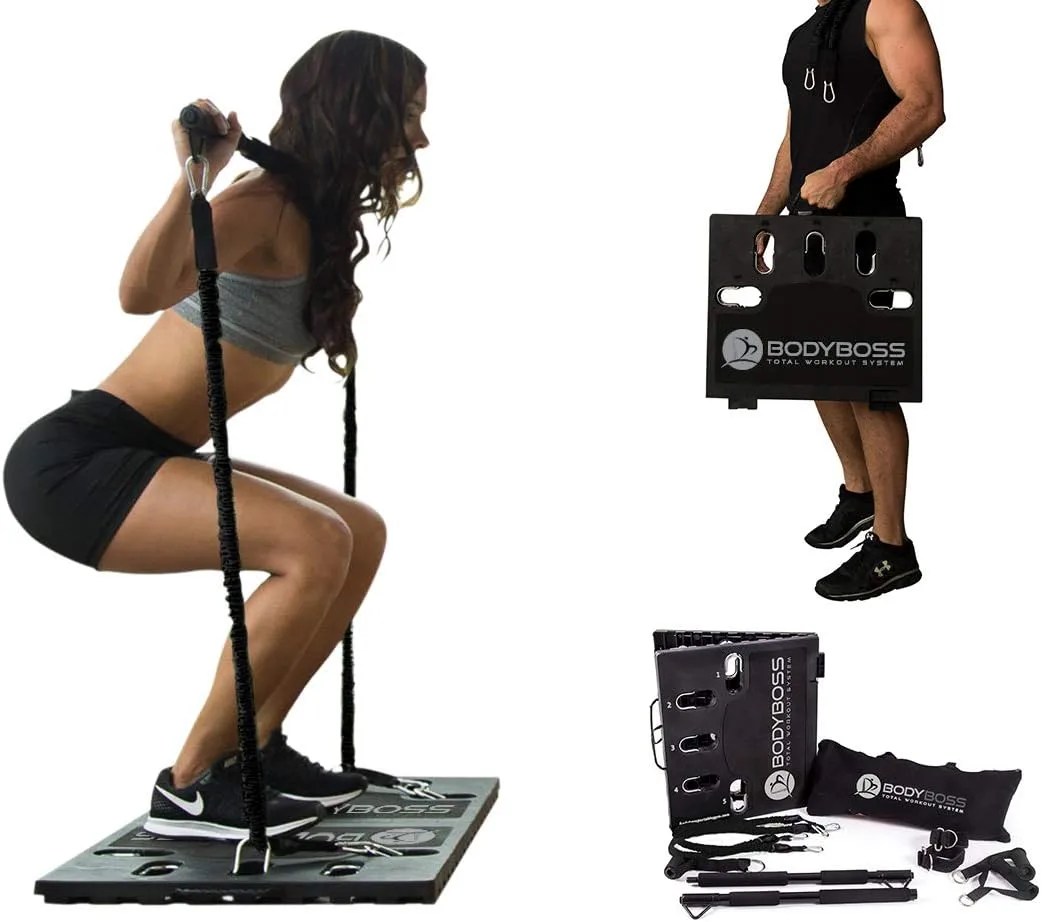
BodyBoss Resistance System 2.0
More than just a set of bands, the BodyBoss Resistance System is a full-body portable gym. It includes tube bands, a workout platform, and handles so you can mimic barbell and dumbbell exercises at home.
💰 Price: 179$
⭐ Rating: 4.4/5
Most Durable Bands for Heavy Lifters
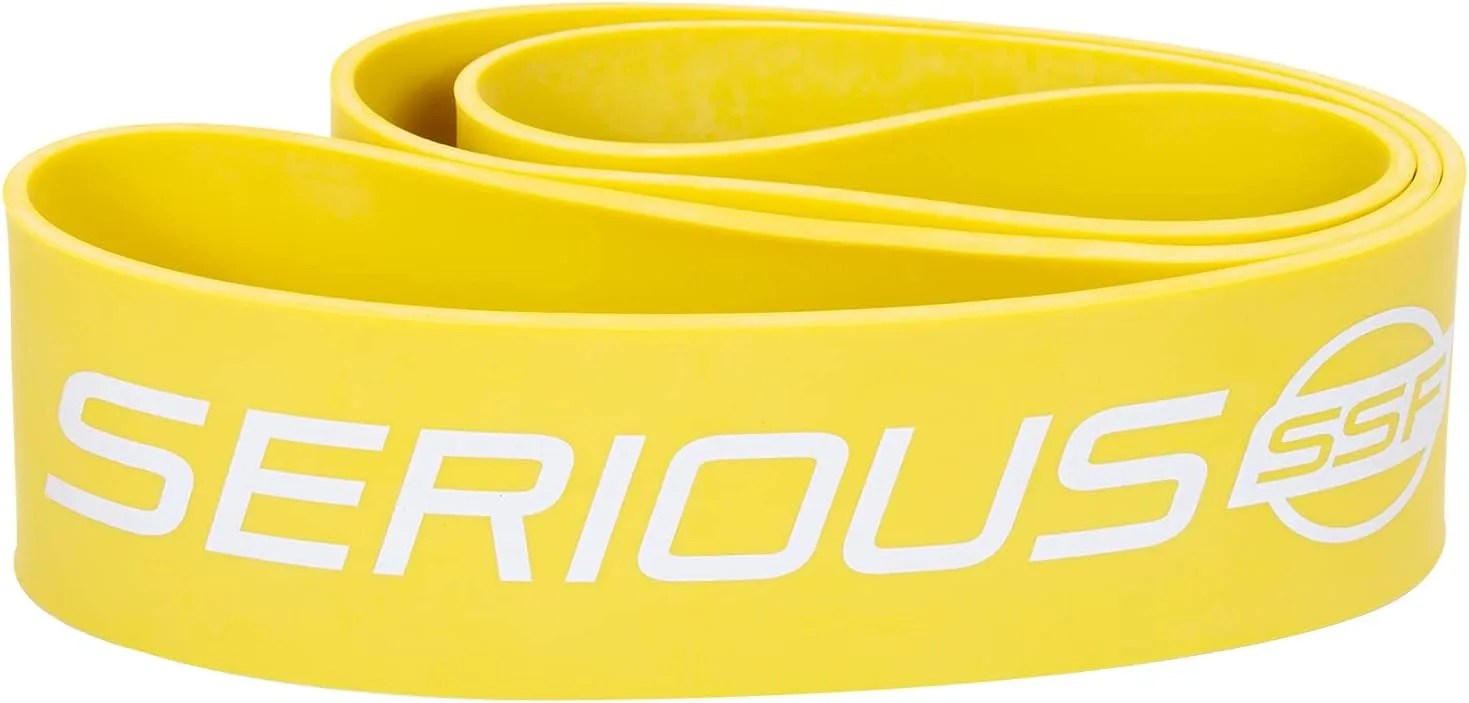
Serious Steel Bands
If you’re serious about strength training, Serious Steel Bands are a top choice. These powerlifting-style bands provide up to 200 lbs of resistance, making them ideal for assisted squats, deadlifts, and pull-ups.
💰 Price: 49,9$
⭐ Rating: 4.6/5
Conclusion
Choosing the right resistance bands depends on your fitness goals, budget, and workout style. If you want a versatile, high-quality option, TRX Strength Bands are the best all-around choice. For serious lifters, Serious Steel Resistance Bands offer the durability and resistance needed for heavy workouts. Beginners or those on a budget will love Fit Simplify Loop Bands, which provide a great starting point without breaking the bank. And if you’re looking for a full-body home workout solution, the BodyBoss Resistance System is worth the investment.
No matter which band you choose, resistance training is one of the best ways to build strength, improve mobility, and stay injury-free. Plus, they’re lightweight, portable, and perfect for home workouts or travel. Pick the set that fits your needs, and start making gains today! 💪🔥
 WellForm365
Leave a comment