
Core Exercises for Beginners: The Best Moves to Build Strength in 2025
Want to improve your posture, reduce back pain, and boost your overall fitness? It all starts with a strong core! Whether you’re new to working out or just looking for simple exercises to get started, this guide will walk you through the best core exercises for beginners. You’ll learn the benefits of core training, how to do each move correctly, and how to build a routine that works for you. Ready to fire up those abs? Let’s get started!
- Core Exercises for Beginners: The Best Moves to Build Strength in 2025
Why Core Strength Matters
Ever notice how you engage your stomach muscles when you pick up a heavy box? That’s your core kicking in. Your core muscles aren’t just your abs – they include your obliques, lower back, pelvic floor, and even your glutes. These muscles work together to keep your body stable and balanced. If they’re weak, your body compensates in weird ways, often leading to poor posture, back pain, and even knee issues.
A strong core makes daily life easier. Simple things – like reaching for something on a high shelf, bending down to tie your shoes, or carrying groceries – rely on core stability. And let’s talk about balance for a second. Ever trip on an uneven sidewalk and barely catch yourself? Your core is what stops you from face-planting.
Here’s something I learned the hard way: posture is everything. If you’re slouching at your desk all day, your lower back is probably screaming at you by 5 PM. A strong core keeps your spine properly aligned, making you look taller, feel more confident, and – most importantly – reducing back pain.
Then there’s injury prevention. Weak core muscles put extra stress on your joints and spine. I used to wonder why my lower back ached after long runs. Turns out, my core wasn’t doing its job, forcing my back to pick up the slack. Strengthening my core helped stabilize my pelvis and reduce that nagging pain.
Athletes know this better than anyone – a strong core translates to better performance. Whether you’re a runner, a weightlifter, or someone who just enjoys a weekend hike, a strong core makes you faster, more efficient, and less prone to injuries. Even explosive movements like jumping or sudden direction changes (think basketball or soccer) rely heavily on core engagement.
Core Training Basics – What You Need to Know
Training your core properly means targeting all these areas, not just focusing on the front. You can strengthen your core with bodyweight exercises like planks, dead bugs, and glute bridges, or use equipment like resistance bands, stability balls, or even cable machines to add intensity. Both methods work, but if you’re just starting out, mastering bodyweight movements first is key. As for how often you should train your core, more isn’t always better. Beginners should aim for 2-4 sessions per week, focusing on controlled movements rather than endless reps. Recovery is just as important as the workout itself – overdoing it can actually weaken your core instead of strengthening it.
One trick that changed everything for me was the “zip up” method. Instead of just flexing my abs, I started thinking about pulling my belly button in and up toward my spine. Not sucking in – but engaging the deep core muscles (hello, transverse abdominis). Suddenly, my planks felt harder, my squats felt more stable, and my lower back stopped hating me after workouts.
And speaking of breathing – if you’re holding your breath, you’re doing it wrong. I used to hold my breath during crunches without realizing it, and my core was weaker because of it. The key is exhaling during effort – like when you push up from a plank or sit up in a crunch. This helps activate your deep core muscles and prevents unnecessary tension in your neck and shoulders.
The Best Core Exercises for Beginners
When I first started working on my core, I made the classic mistake of thinking more reps meant better results. Spoiler alert: It doesn’t. I’d crank out endless crunches, only to end up with a sore neck and zero progress. Turns out, building a strong core is more about control and form than sheer volume. If you’re just getting started, these core exercises will set you up for success – without unnecessary strain or frustration.
Plank (and Variations)
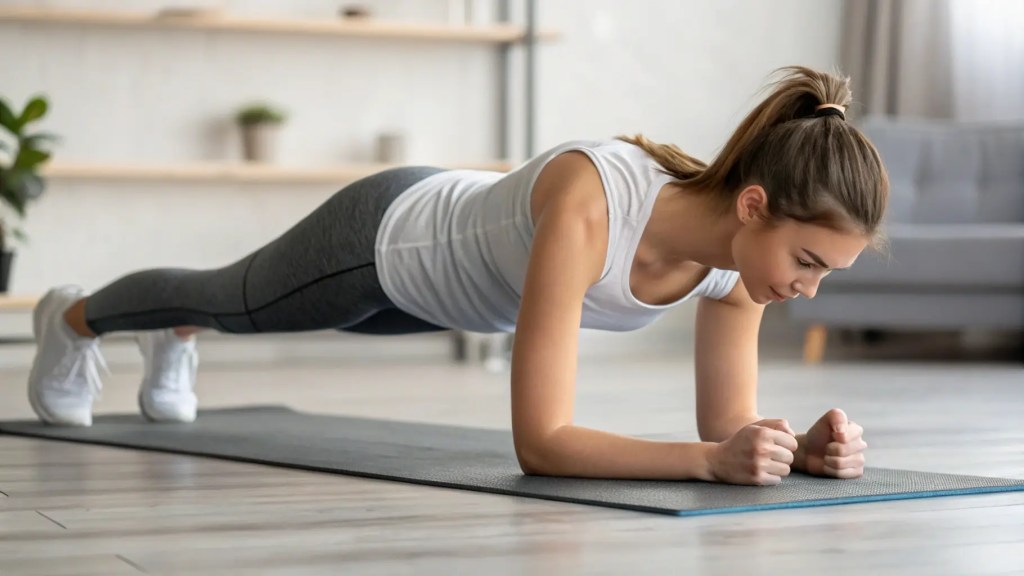
Planks look simple, but trust me, they can humble you real quick. The key is to keep your body in a straight line – no sagging hips or raised butt. A common mistake? Letting your lower back arch, which totally defeats the purpose. Instead, squeeze your glutes and tuck your pelvis slightly to keep your core engaged. If holding a full plank is too hard, start on your knees or do an incline plank against a sturdy surface like a couch. Want a challenge? Try shoulder taps or side planks to hit those obliques.

Dead Bug
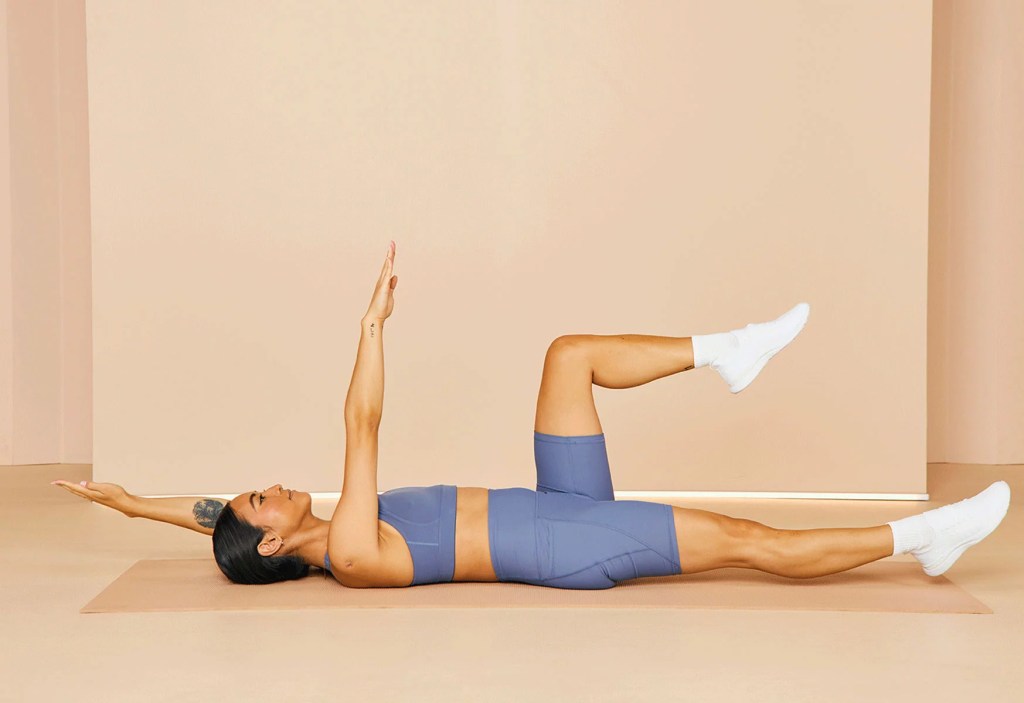
If you haven’t done this one before, it looks kind of ridiculous—like a turtle flipped on its back. But don’t let that fool you! The dead bug is one of the best ways to engage deep core muscles while protecting your lower back. Lie on your back, raise your arms and legs in a tabletop position, and slowly extend one arm and the opposite leg while keeping your lower back glued to the floor. If your back arches, you’re going too far—cut the range of motion until you can maintain control.
Bird Dog
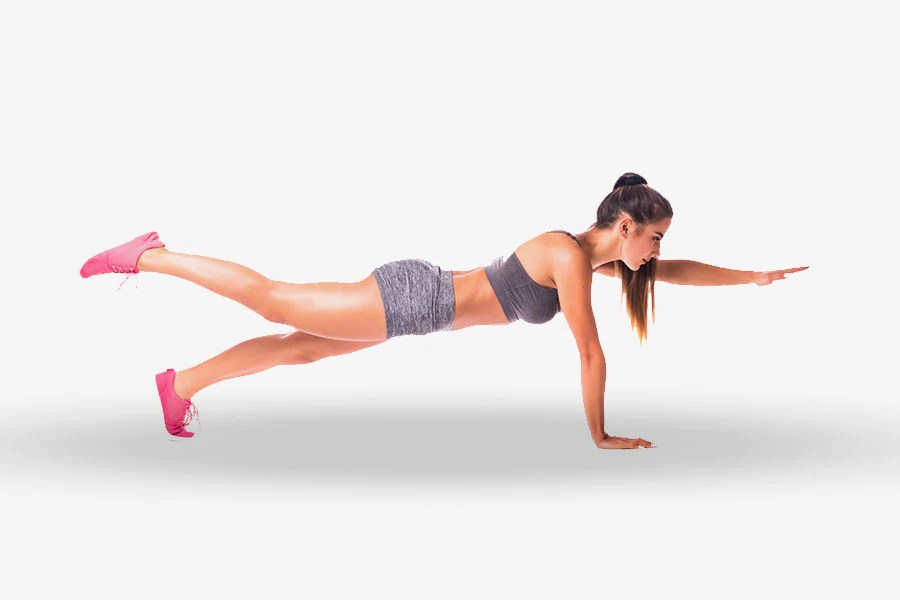
Balance is harder than it looks. I used to wobble like crazy doing the bird dog until I figured out that engaging my core first made all the difference. Start on all fours, extend one arm and the opposite leg, and focus on keeping your hips level. If you’re shaking, that’s actually a good sign – it means your stabilizer muscles are working. Want to up the intensity? Pause for a few seconds at the top before switching sides.
Glute Bridge
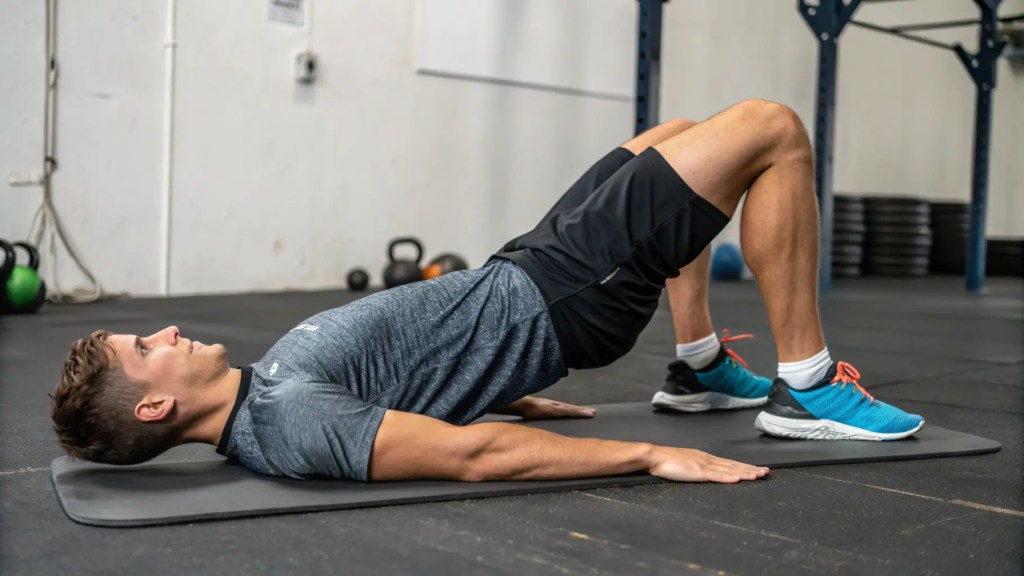
This one’s a sleeper exercise – meaning it looks easy, but if you do it right, your core and glutes will be on fire. Lie on your back, bend your knees, and push through your heels to lift your hips. But here’s the catch: don’t just lift and drop mindlessly. Squeeze your glutes at the top and keep your ribs down so your core stays engaged. If it feels too easy, try doing it with one leg lifted or placing a weight on your hips.
Leg Raises
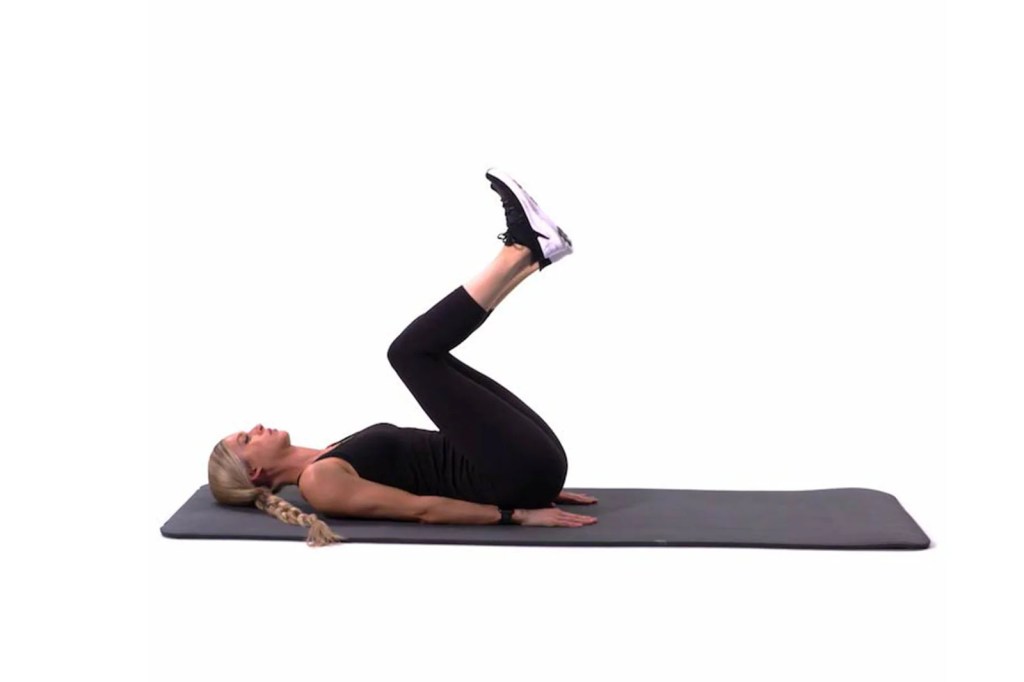
Ah, leg raises. If you’ve ever felt your lower back screaming during these, you’re not alone. The trick? Keep your lower back pressed into the floor and move slow. Rushing through them just shifts the work away from your abs and onto your hip flexors. If you can’t do a full leg raise yet, start by bending your knees or lowering one leg at a time.
Russian Twists
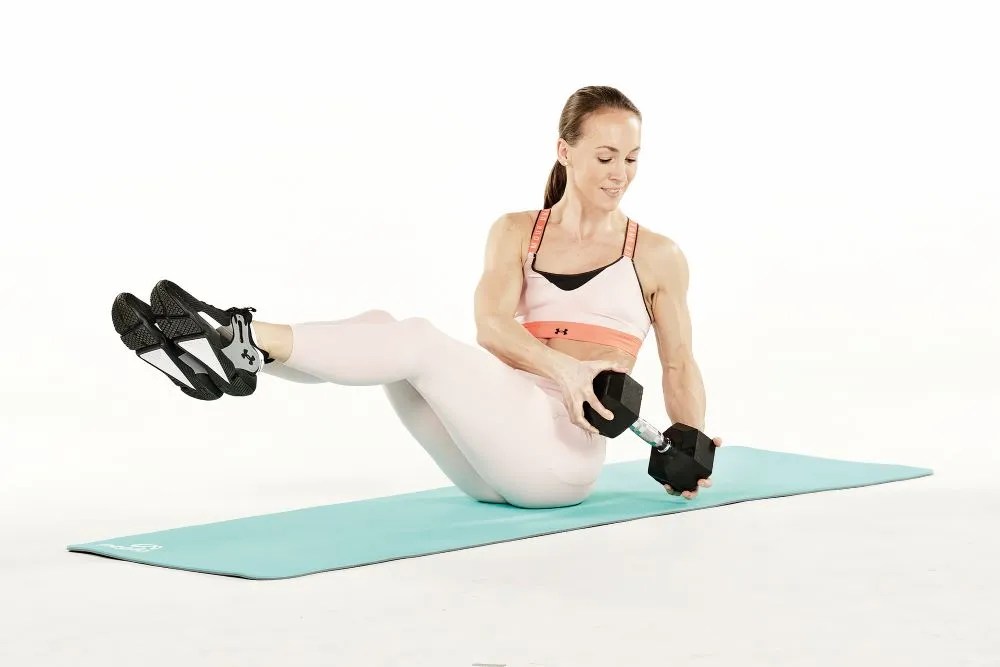
I used to think Russian twists meant twisting as fast as possible – big mistake. Speed doesn’t equal effectiveness. To really engage your obliques, sit slightly leaned back, keep your core tight, and twist with control. No need to touch the floor with your hands – focus on rotating your torso, not just moving your arms. Add a weight or medicine ball when you’re ready for more intensity.
Seated Knee Tucks
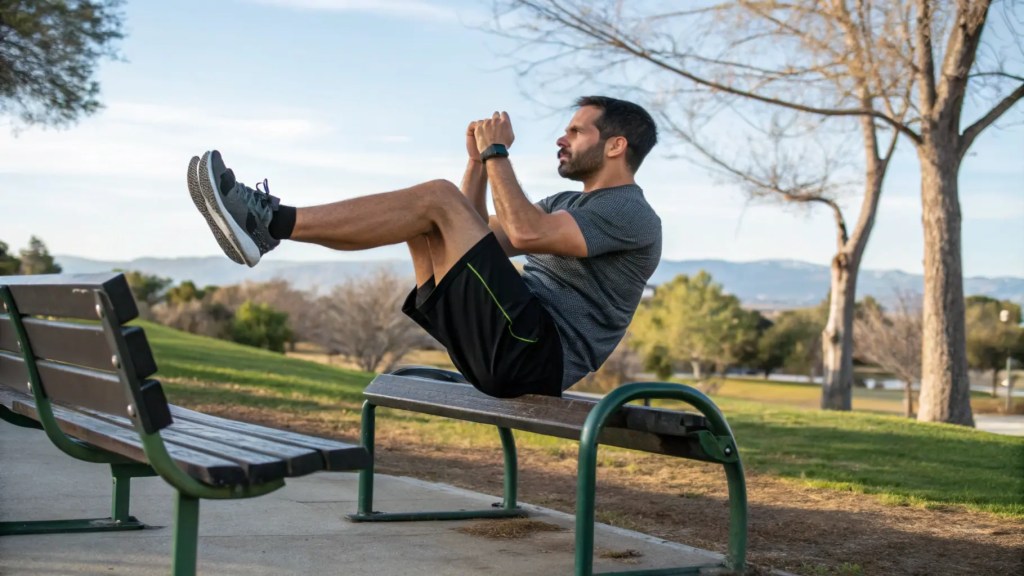
If you want a beginner-friendly move that makes your lower abs work, seated knee tucks are a great choice. Sit on the floor, lean back slightly, and bring your knees toward your chest. Engage your core to control the movement, and avoid using momentum (tempting, I know). If balancing is tricky, hold onto the sides of a chair or place your hands lightly on the ground.
Creating a Beginner Core Workout Routine
When I first started working on my core, I had no clue how to structure a proper workout. I’d randomly throw in crunches, hold a plank until my arms gave out, and call it a day. No real plan, no real progress. Turns out, a well-structured routine makes all the difference. If you want to build a strong, stable core without wasting time, here’s how to put together an effective 10- to 15-minute workout – one that actually gets results.
Step 1: Warm-Up (3-5 Minutes)
You wouldn’t jump into heavy squats without a warm-up, right? Same goes for core training. A proper warm-up preps your muscles, improves mobility, and helps prevent injury. Try this quick sequence:
- Cat-Cow Stretch – 30 seconds
- Standing or Seated Torso Twists – 20 reps
- Pelvic Tilts – 10 reps
- Glute Bridge Holds – 10 seconds x 3 rounds
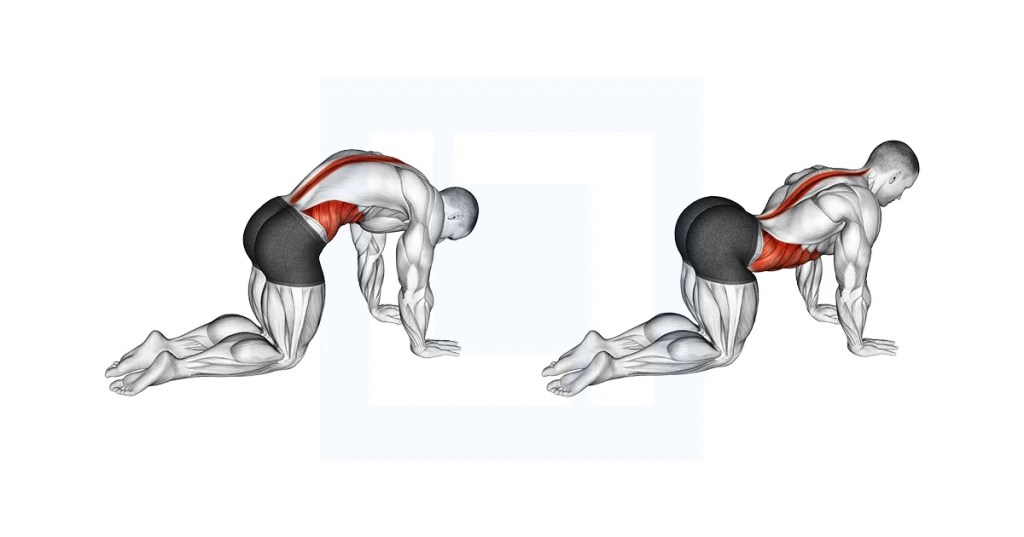
Cat-Cow Stretch

Seated Torso Twists
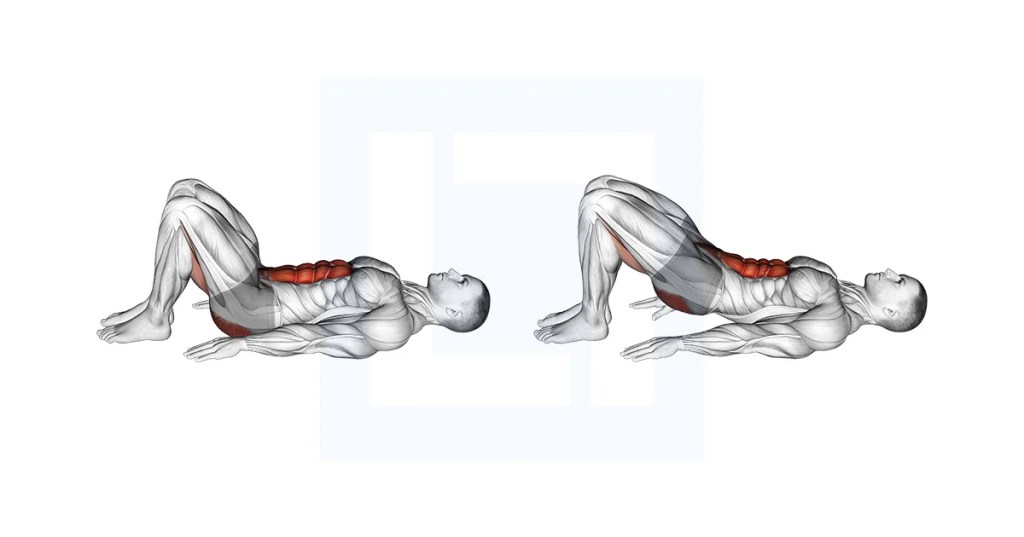
Pelvic Tilts
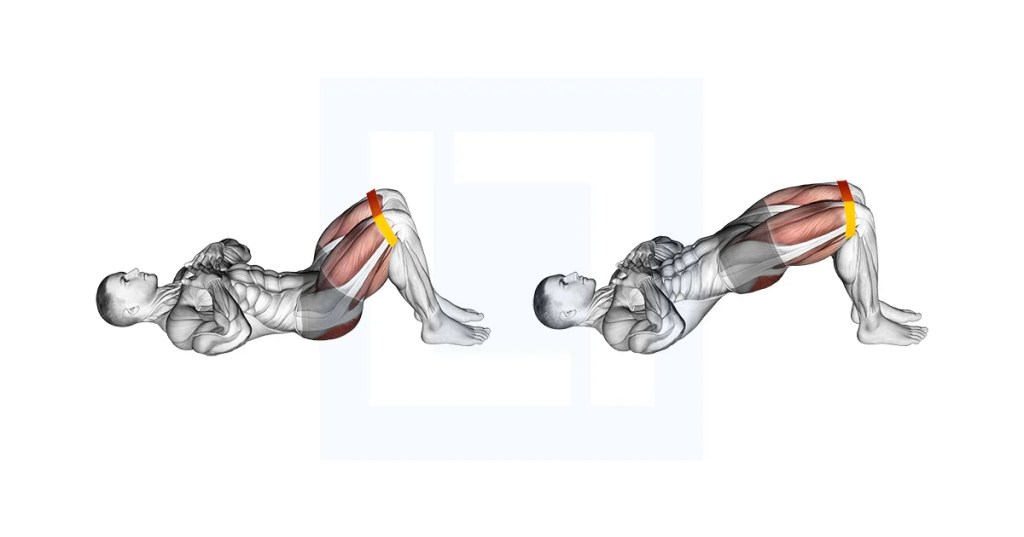
Glute Bridge Holds
This gets your spine moving, activates your core, and sets you up for a solid workout.
Step 2: Core Workout (10-12 Minutes)
Now, let’s build a beginner-friendly routine. The goal is to hit all areas of your core – front, sides, and back – without overcomplicating things. Here’s a solid starting point:
- Plank Hold – 3 sets of 20-30 seconds
- Keep your body straight, squeeze your glutes, and don’t let your hips sag.
- Modify by dropping to your knees or holding an incline plank on a bench.
- Bird Dog – 3 sets of 10 reps per side
- Move slowly and focus on control to improve stability.
- Make it harder by adding a resistance band around your thighs for extra tension.
- Glute Bridge – 3 sets of 12 reps
- Drive through your heels and engage your lower core.
- Try adding a resistance band above your knees to activate your glutes even more.
- Leg Raises – 3 sets of 10 reps
- Keep your lower back pressed into the floor.
- If it’s too tough, start with bent knees or try single-leg lowers.
- Russian Twists – 3 sets of 15 reps per side
- Lean back slightly and twist from your torso, not just your arms.
- Hold a small weight or resistance band for extra challenge.
- Seated Knee Tucks – 3 sets of 12 reps
- Control the movement and avoid swinging your legs.
- For an advanced version, extend your legs fully before tucking them back in.
Step 3: Cool Down (3-5 Minutes)
Cooling down helps prevent stiffness and keeps your lower back happy. A few must-do stretches:
- Child’s Pose – 30 seconds
- Seated Spinal Twist – 20 seconds per side
- Standing Side Stretch – 20 seconds per side
- Cobra Stretch – 30 seconds
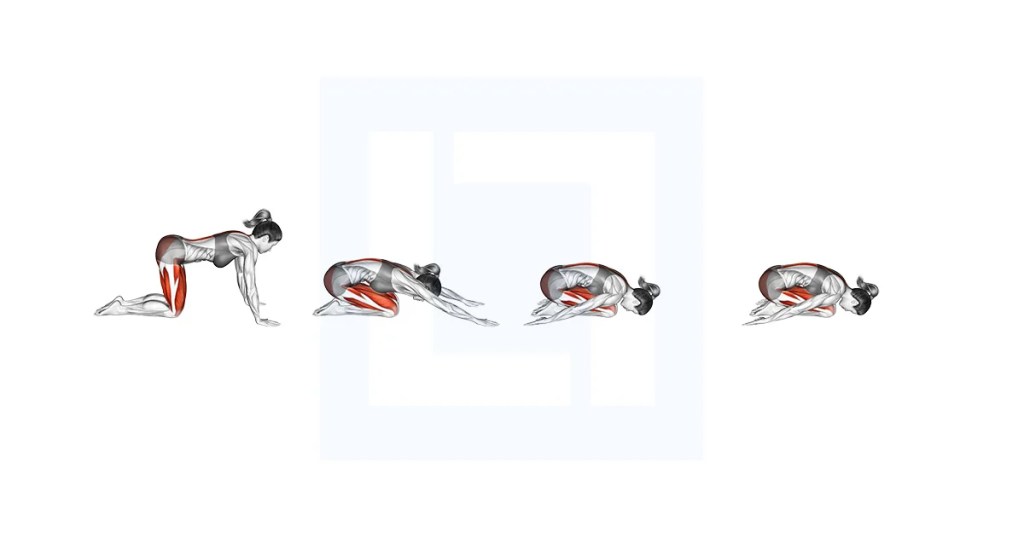
Child’s Pose
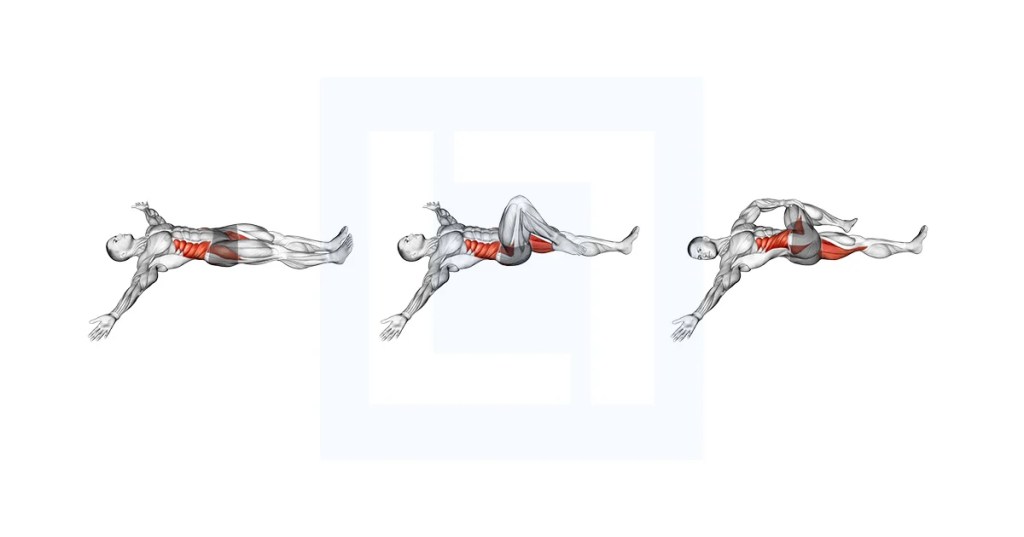
Spinal Twist
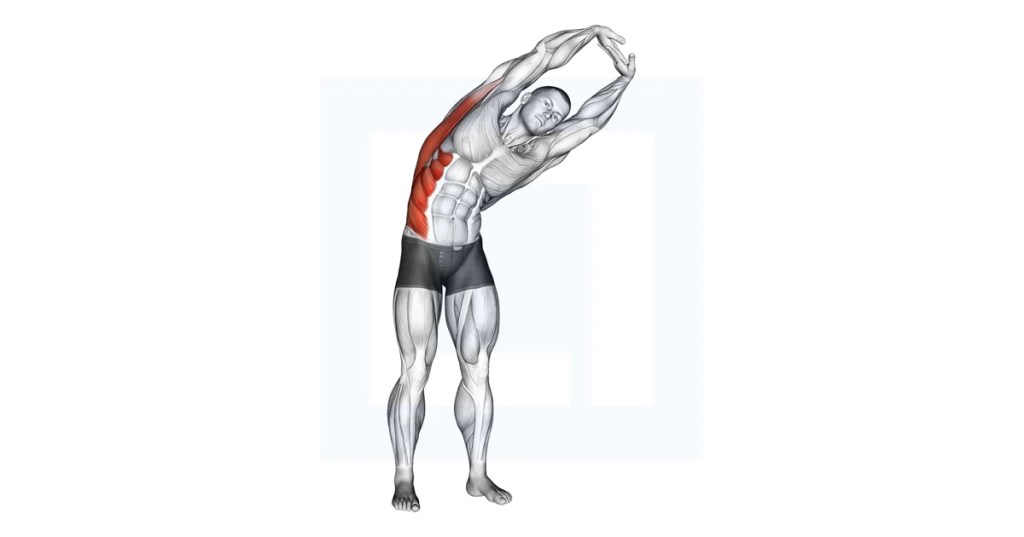
Standing Side Stretch

Cobra Stretch
Breathe deeply and let your muscles relax. You’ve earned it.
How to Progress Over Time
Once this routine starts feeling easy, it’s time to step it up. Here’s how:
- Increase Reps or Time – Gradually add 5-10 seconds to planks or 2-3 reps per set.
- Add a Resistance Band – Wrap it around your thighs for bridges or bird dogs to increase difficulty.
- Slow It Down – Moving with control makes exercises more challenging and effective.
- Try Advanced Variations – Swap knee tucks for V-ups, or add a side plank hold to your routine
Conlcusion
Building a strong core isn’t just about getting abs – it’s about improving stability, posture, and overall strength. A well-structured 10- to 15-minute routine can make a big difference, especially if you focus on form and consistency rather than just speed or reps. Start with the basics, listen to your body, and don’t rush progress.
As you get stronger, challenge yourself by adding resistance bands, increasing reps, or trying more advanced variations. Core training isn’t about perfection; it’s about steady improvement. Stick with it, and soon enough, you’ll feel the difference – not just in workouts, but in everyday movements too. Keep pushing, and your core will thank you! 💪🔥
 WellForm365
Leave a comment