
Resistance Bands Home Gym: The Ultimate Guide to Full-Body Workouts (2025)

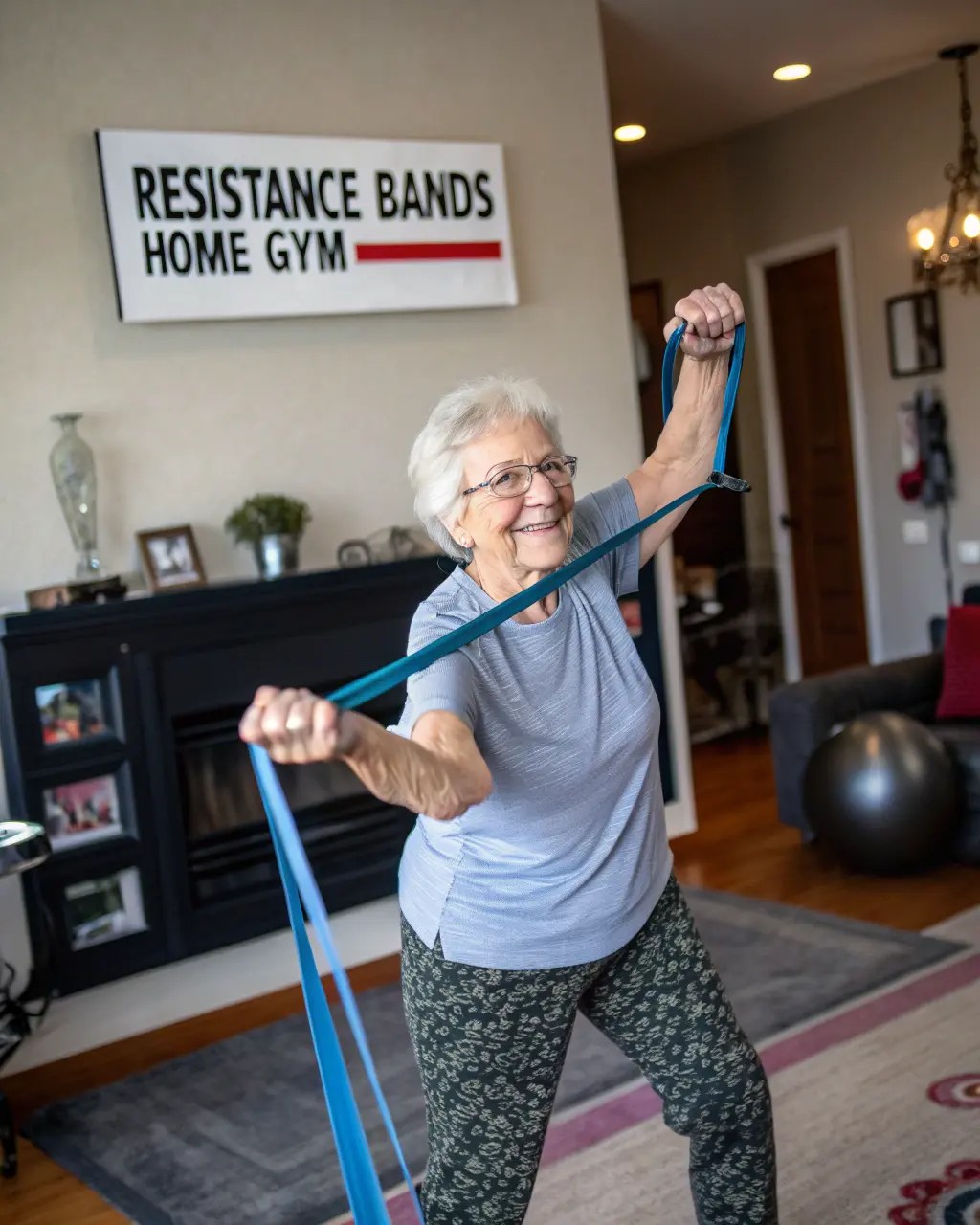
Ever thought about transforming your home into a compact, efficient gym? Resistance bands are the ultimate space-saving, budget-friendly workout solution! Whether you’re a beginner or a seasoned fitness enthusiast, these bands can help you build muscle, improve flexibility, and stay in shape – all without expensive equipment. In this guide, we’ll cover everything you need to know about setting up your own resistance bands home gym, including must-have gear, top exercises, and expert tips for maximum gains.
Table of Contents
- Resistance Bands Home Gym: The Ultimate Guide to Full-Body Workouts (2025)
Why a Home Gym with Resistance Bands?
Let’s be real – fitness equipment is expensive. A decent set of adjustable dumbbells can run you $300-$500, and if you want a squat rack or a bench? You’re easily looking at over $1,000. But resistance bands? You can grab a high-quality set for under $50. That’s a steal, especially considering how many exercises you can do with them.
And space? That is another huge win. Resistance bands, take up almost no space. You can keep them in a small drawer, and when you need them, just grab a band and start working out. No need to reorganize whole place just to squeeze in a workout.
One thing about resistance bands is that they work for anyone, no matter where you’re starting from. Beginners can start with lighter resistance to nail their form, while advanced lifters can stack multiple bands to increase tension. The progression is endless, and that’s what makes bands so effective for long-term fitness goals.
Resistance bands aren’t just for strength training – they are widely used for flexibility, mobility, and rehabilitation as well. Many people incorporate them into dynamic stretching routines, helping improve range of motion and prevent injuries. One highly effective movement is the banded hamstring stretch, which provides a deep, controlled stretch without requiring assistance. Athletes, physical therapists, and fitness enthusiasts alike rely on resistance bands to enhance flexibility and aid muscle recovery.
For rehabilitation, resistance bands offer a low-impact way to rebuild strength after injuries. Instead of straining joints with free weights, individuals recovering from shoulder injuries often perform gentle banded external rotations to strengthen stabilizing muscles. Physical therapists frequently recommend resistance bands because they provide constant tension without excessive strain, making them one of the safest tools for injury recovery. This controlled resistance allows for gradual progression, reducing the risk of re-injury while rebuilding strength effectively.
Missing workouts while traveling is a common frustration. Hotel gyms are often crowded, poorly equipped, or simply unavailable, making it difficult to stay on track. Unlike dumbbells or bulky fitness equipment, resistance bands are lightweight, compact, and require no setup, making them an ideal travel companion for maintaining a consistent workout routine.
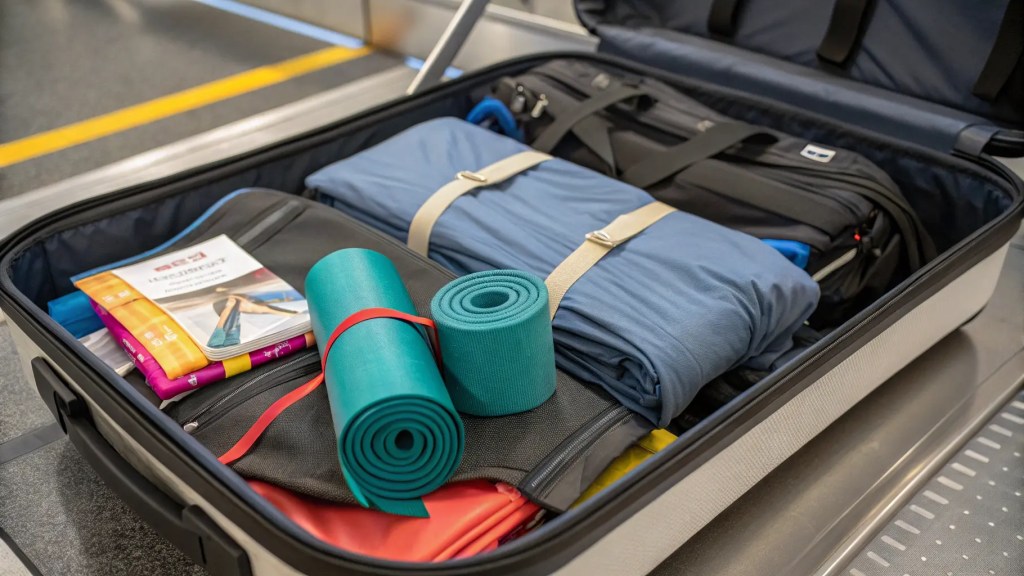
Many travelers use resistance bands for full-body workouts in hotel rooms, Airbnbs, or even outdoor spaces. Simple movements like banded deadlifts, rows, and triceps extensions can be performed anywhere with minimal space. Whether anchored to a sturdy object or used freestanding, resistance bands allow for effective resistance training without needing a gym. Their portability and versatility make them a practical and efficient fitness solution, ensuring workouts remain accessible no matter the location.
Before you jump into your workouts, make sure you’re using the right resistance band for your strength level and goals. Picking the wrong one can make exercises too easy – or way too hard. Check out guide on how to choose the best resistance band to get the perfect fit for your home gym!
What You Need for Your Resistance Bands Home Gym
For standing exercises like squats, lateral band walks, and overhead presses, you need about a yoga mat’s worth of space. But for moves that involve anchors – like lat pulldowns or rows – you’ll want about 6-8 feet of clearance in front of you. A sturdy door or a low railing works great as an anchor point, but make sure there’s nothing fragile nearby.
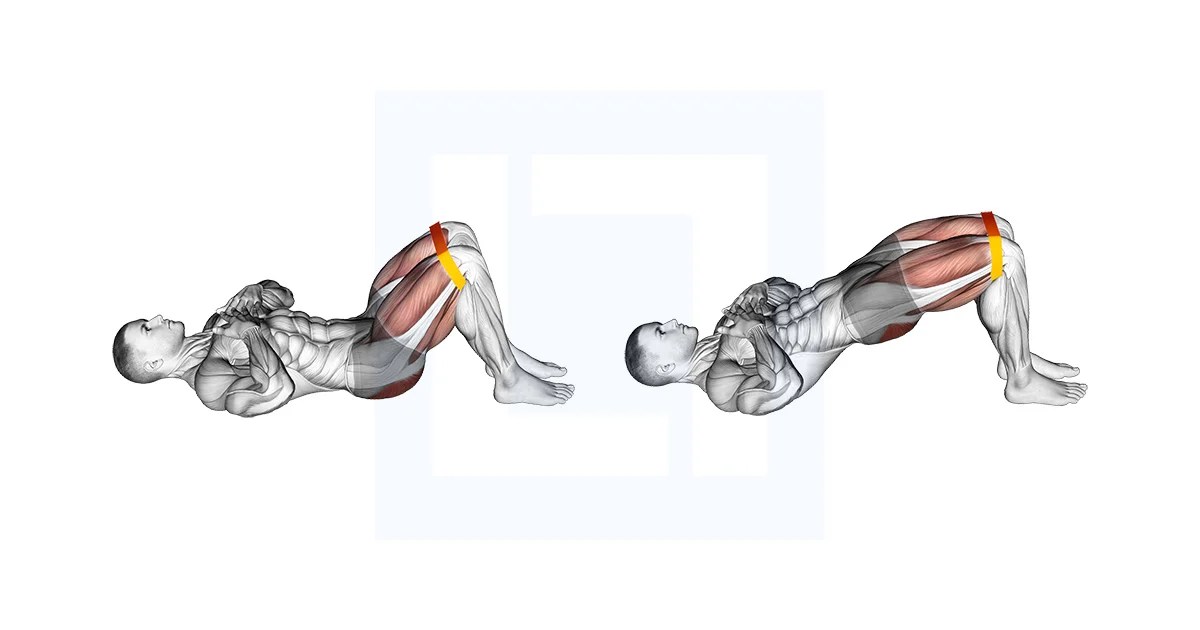
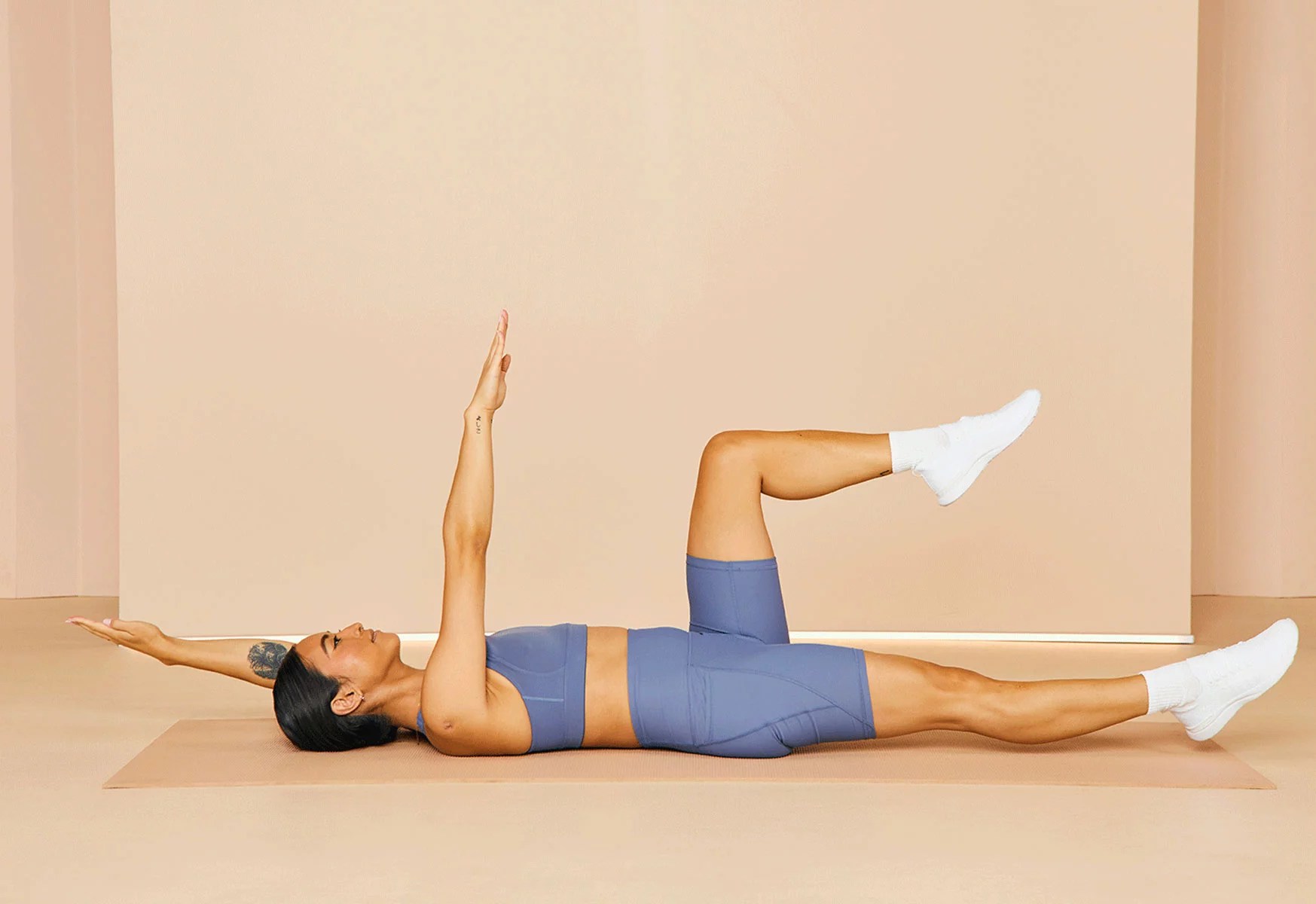
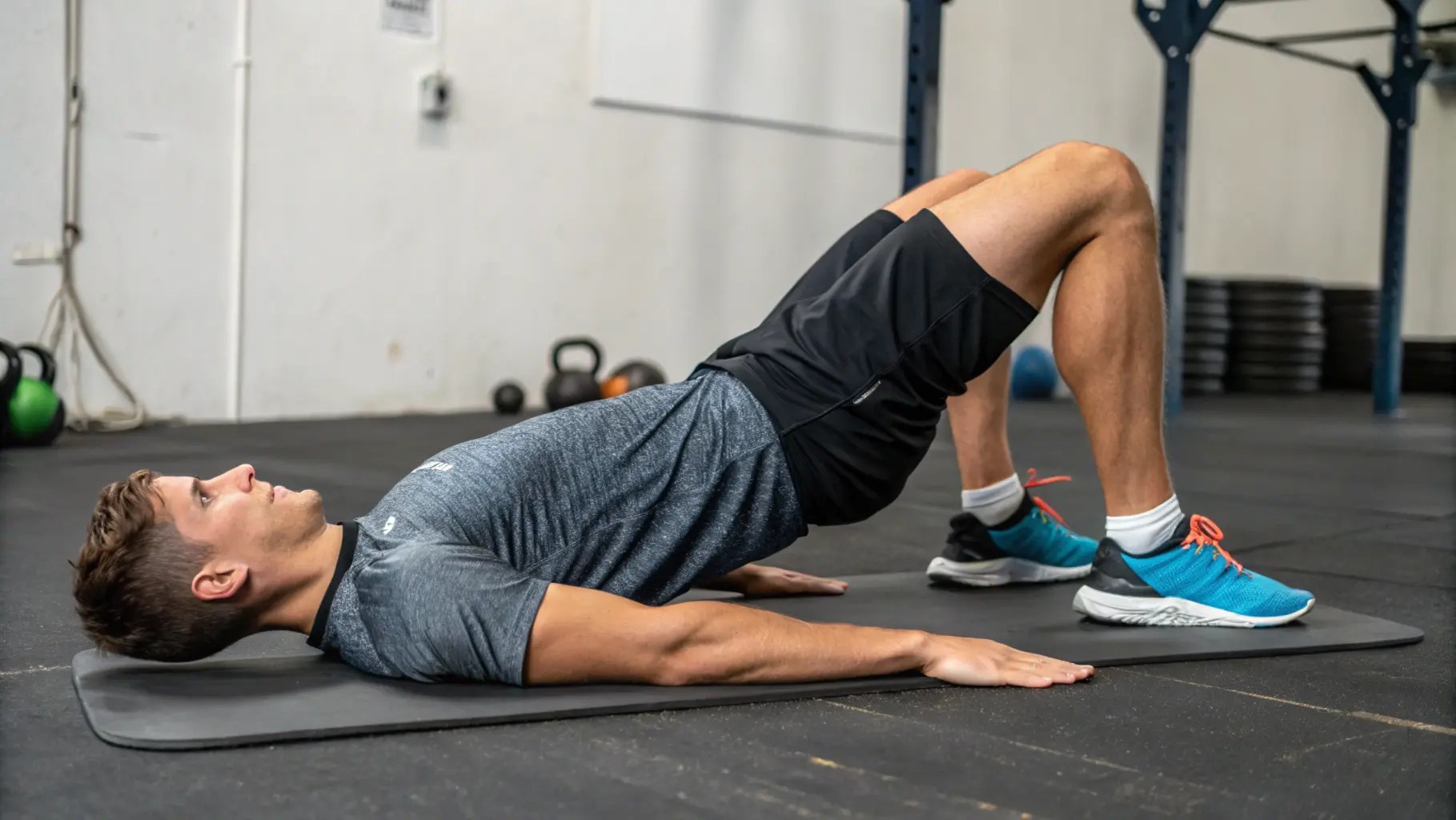
If you plan to lie down for exercises like glute bridges or banded dead bugs, you’ll need floor space roughly the size of a twin mattress. If your space is tight, pick a spot where you can move furniture around when needed. A foldable exercise mat helps too, especially if you’re working out on hardwood or tile.
Must-Have Accessories: Don’t Just Use the Bands Alone
Here’s what you’ll want for a solid setup:
- Door Anchor – This is a game-changer. It lets you turn any door into a cable machine by creating a sturdy attachment point at different heights (top for lat pulldowns, middle for presses, bottom for leg curls). Just make sure your door is solid—hollow doors are a no-go unless you want an unexpected faceplant.
- Handles – While loop bands work great for lower-body moves, handles make upper-body exercises like biceps curls and chest presses feel more natural. Plus, they help prevent that awkward “band burn” on your hands.
- Ankle Straps – If you want to target glutes and legs, ankle straps are a must. They attach to resistance bands so you can do exercises like kickbacks and side leg raises without the band slipping off.
- Carabiners – Some bands come with fixed handles, but if you get bands with metal clip attachments, you’ll want carabiners to easily swap between handles, ankle straps, or other accessories.
- Wall or Ceiling Anchor (Optional) – If you’re serious about resistance band training, a mounted anchor system gives you way more versatility.
Recommendations from us:
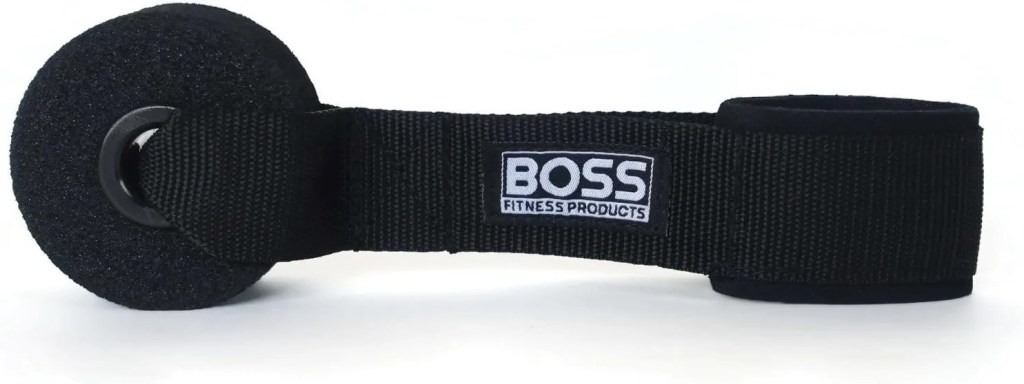
Door Anchor
Made with heavy duty nylon webbing.
Price: 9,99$
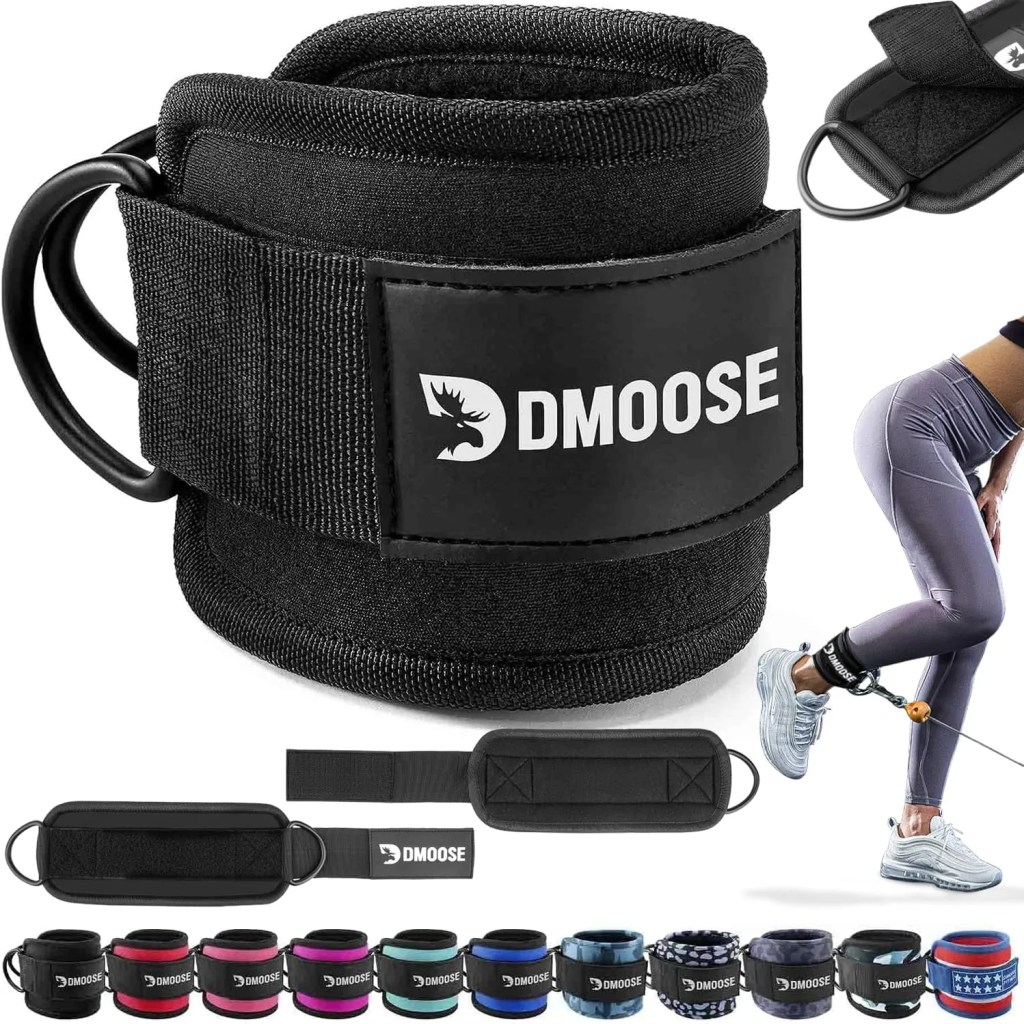
Ankle Straps
Durable nylon material and reinforced stitching.
Price: 9,99$

Wall Anchor
Highly Compatible with Resistance Training Accessories
Price: 41,45$
Full-Body Workout Plan Using Resistance Bands
Resistance bands might look simple, but don’t be fooled – this full-body workout will have your muscles burning in no time. Whether you’re at home, traveling, or just avoiding the gym crowd, this plan hits every major muscle group without needing heavy equipment.
Upper Body (Chest, Back, Shoulders, Arms)
- Band Chest Press – Anchor the band behind you (door or sturdy object), press forward like a bench press. Control the return for max tension.
- Seated Row – Sit with legs extended, band wrapped around feet, pull handles toward your torso. Keep elbows close for that back pump.
- Shoulder Press – Step on the band, press overhead. Keep core tight – no leaning!
- Bicep Curls & Triceps Extensions – Stand on the band for curls; anchor it overhead for triceps extensions. Both will leave your arms shaking.
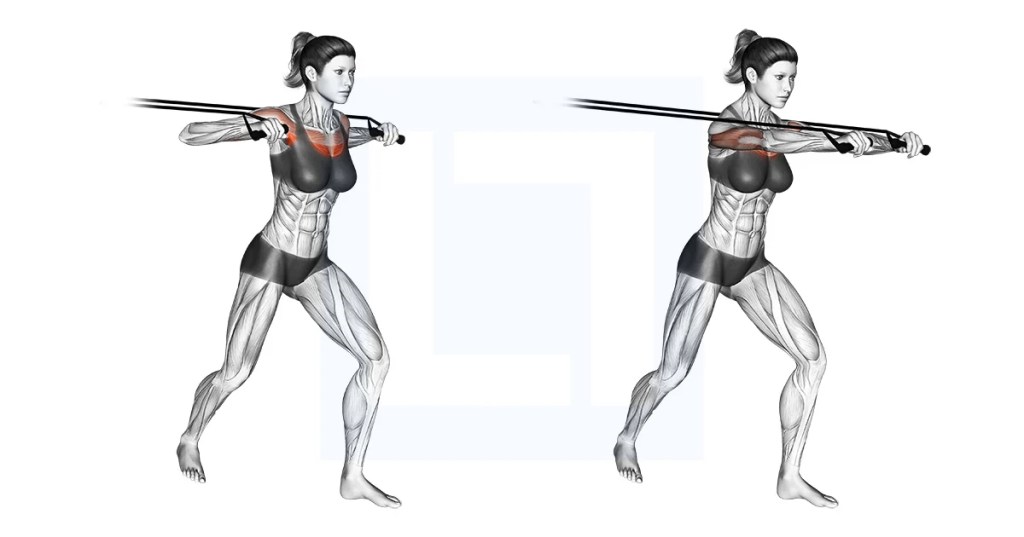
Band Chest Press
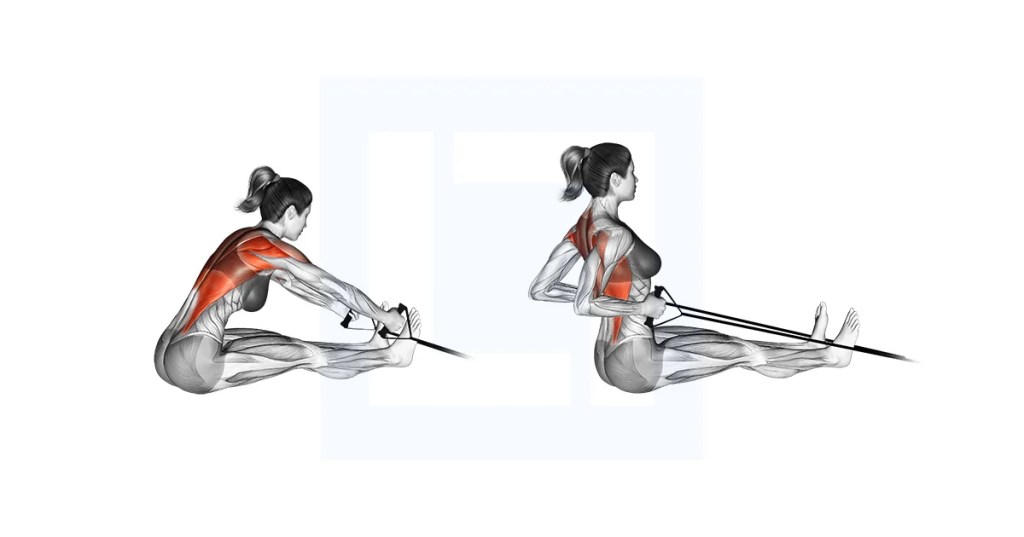
Band Seated Row
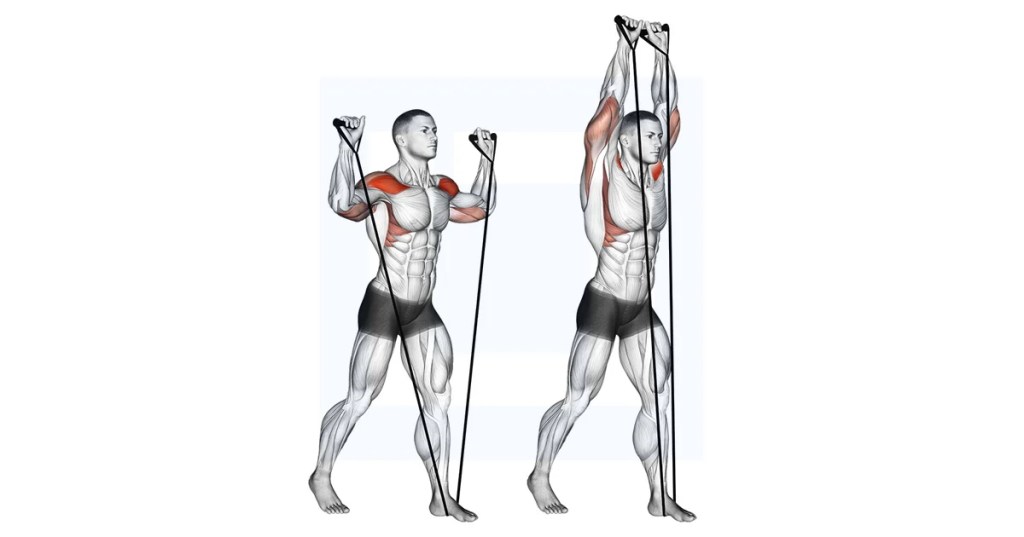
Shoulder Press
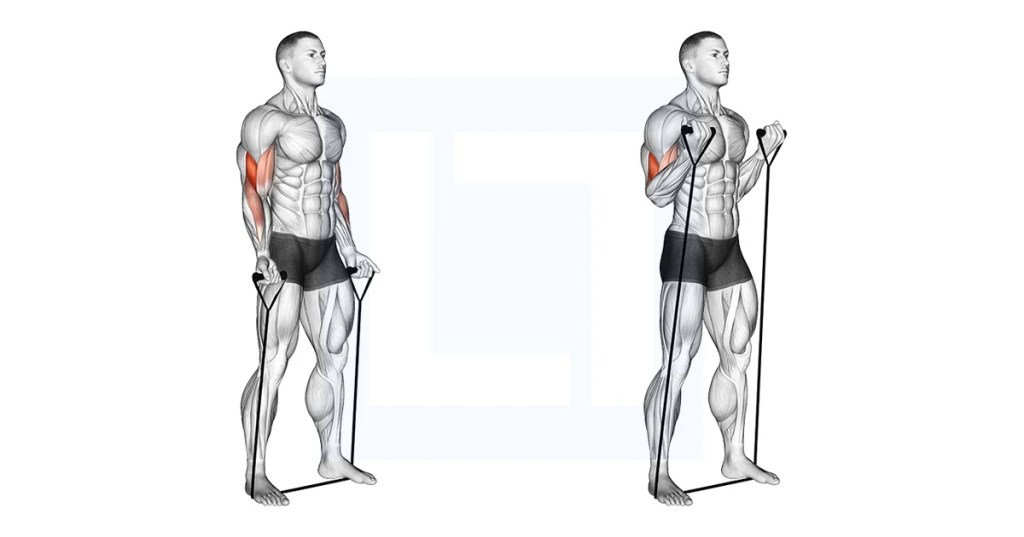
Biceps Curls
Visuals: liftmanual.com
Lower Body (Legs, Glutes, Calves)
- Squats & Lunges with Bands – Loop the band under your feet and over your shoulders for squats. For lunges, hold handles at your sides with the band under your front foot.
- Glute Kickbacks & Side Leg Raises – Strap the band to your ankle for kickbacks; stand sideways for leg raises. Your glutes will thank (or hate) you.
- Standing Calf Raises – Step on the band, hold handles at waist height, and raise onto your toes. Slow and controlled for max burn.

Band Squats
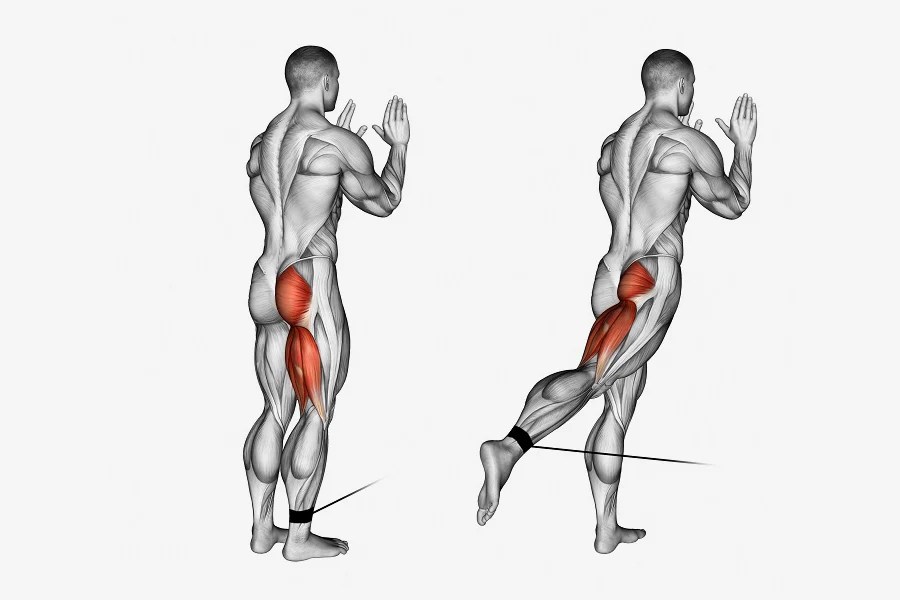
Glute Kickbacks
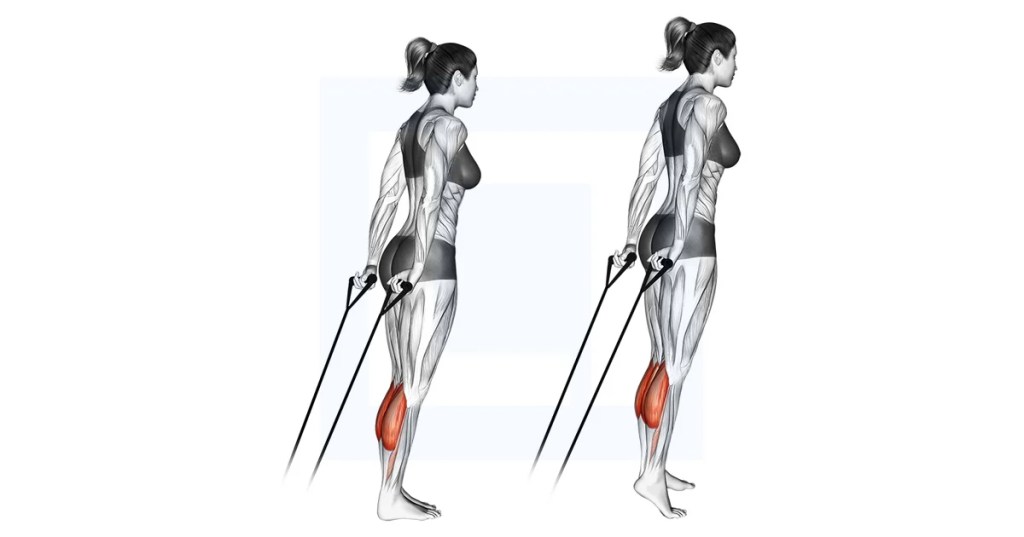
Calf Raises
Visuals: liftmanual.com
Core & Functional Training
- Standing Oblique Twists – Anchor the band at chest height, pull it across your body while keeping hips stable. Great for rotation strength.
- Band-Resisted Planks – Wrap a band around your back and hold the ends under your hands to add resistance to your plank.
- Russian Twists – Sit, loop the band around your feet, twist side to side holding the band. Core on fire in 3…2…1.

Oblique Twists
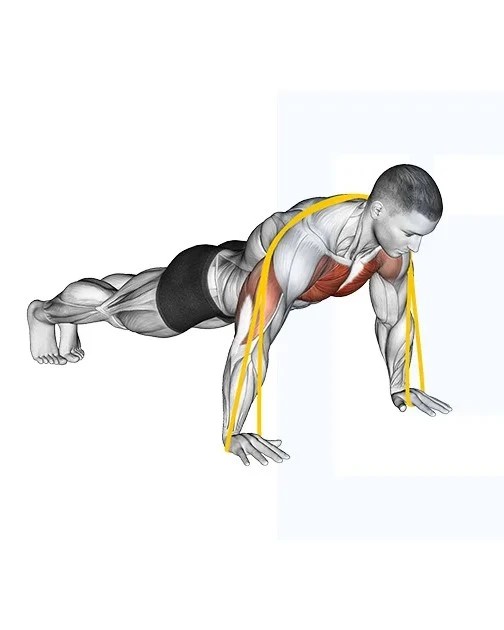
Planks
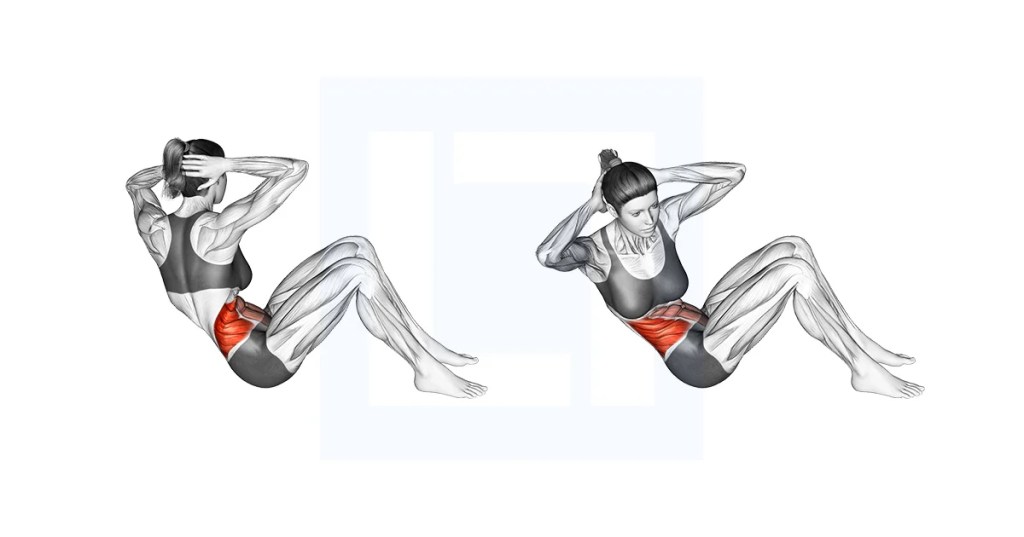
Russian Twists
Visuals: liftmanual.com
Common Mistakes People Make with Resistance Bands
Resistance bands are an amazing tool – until you use them wrong and wonder why your workout feels off (or worse, why you almost got smacked in the face by a flying band).
Using the Wrong Band Tension
A big mistake beginners make is picking the wrong resistance level. Either it’s too light (feels like a warm-up stretch) or too heavy (you’re straining so much, you look like you’re wrestling an octopus). The goal is to choose a band that challenges your muscles without compromising form.
Fix it: Start with a moderate band and work your way up. For upper-body moves, you should feel fatigue around 10-15 reps. For lower body, aim for 12-20 reps since your legs are naturally stronger. And don’t be afraid to mix resistance levels – sometimes a heavier band is great for squats, but too much for biceps curls.
Poor Form and Technique
Bands add resistance in a different way than free weights, which means bad form can sneak up on you. A lot of people using to think just pulling hard is enough, but sloppy movements lead to little progress (and potential injuries). Common errors include jerking the band, leaning too much, or letting the band snap back without control.
Fix it: Slow down. Control both the pull and return motion – resistance training works best when you resist, not just when you push or pull. Keep your core engaged, stand tall, and avoid momentum-based movements. If an exercise feels too easy or awkward, check your stance -sometimes just adjusting your foot placement can fix the issue.
Skipping Warm-ups and Cooldowns
Bands require a lot of muscle activation, and jumping in cold can lead to strains or reduced performance.
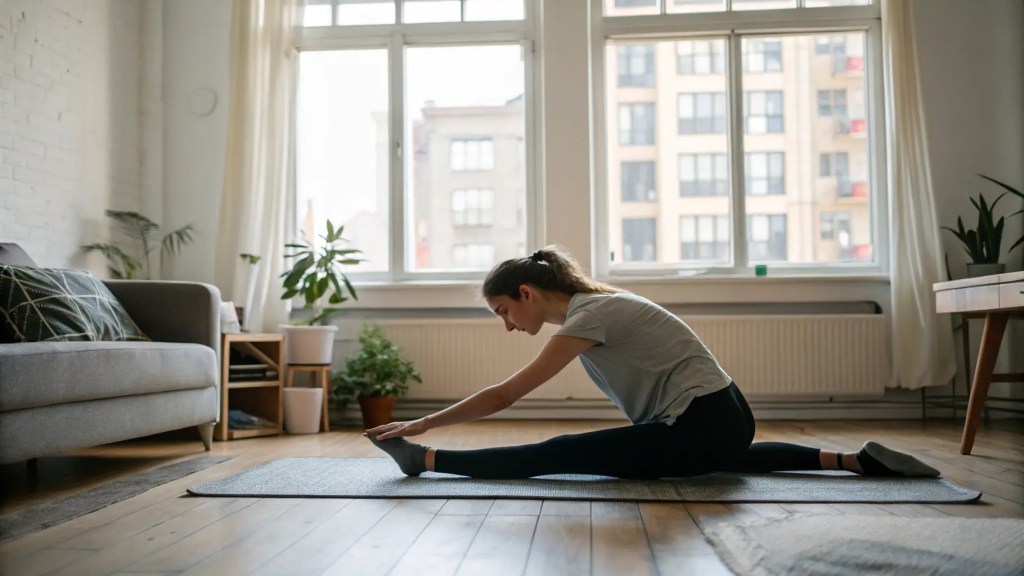
Fix it: Spend at least 5 minutes warming up with dynamic stretches like arm circles, leg swings, and light banded movements. Post-workout, cool down with static stretches to prevent tightness – especially for your shoulders and legs, which take a lot of tension from bands.
Conclusion
Setting up a resistance bands home gym is about saving space and unlocking a full-body workout system that’s affordable, effective, and adaptable to any fitness level. Whether you’re a beginner looking for a simple way to stay active or a seasoned athlete wanting to add variety, resistance bands offer endless possibilities.
By choosing the right resistance levels, maintaining proper form, and incorporating essential accessories like door anchors and handles, you can replicate almost any gym movement from the comfort of your home. Plus, with a well-thought-out storage system, you’ll avoid the dreaded tangle of bands that makes starting a workout feel like solving a puzzle.
The key to success? Consistency and progression. Adjust your band resistance as you get stronger, switch up exercises to keep things challenging, and always prioritize warm-ups and cooldowns to prevent injury. With the right approach, resistance bands can help you build strength, improve mobility, and stay fit – without the need for bulky gym equipment.
 WellForm365
Leave a comment