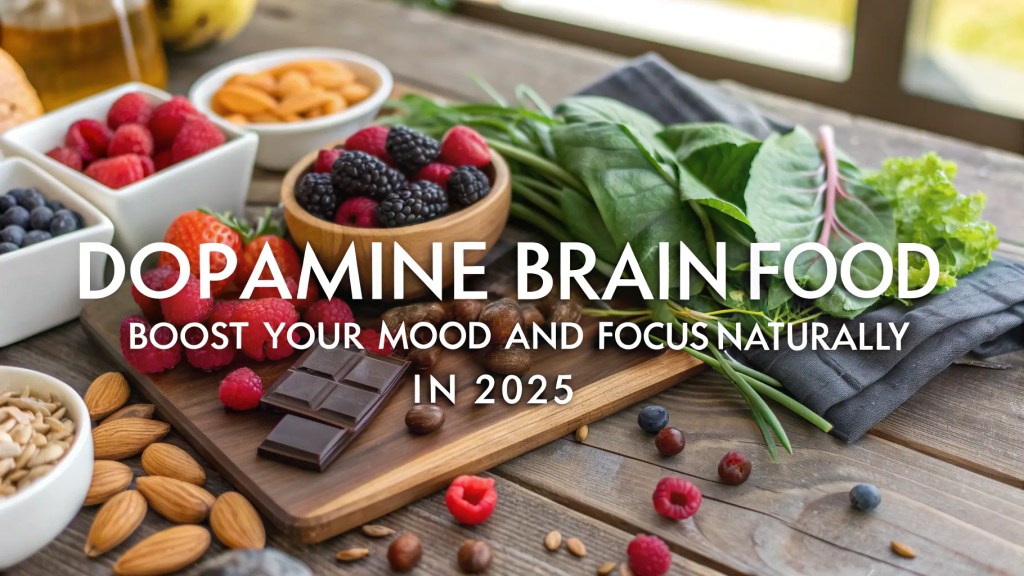

Dopamine Brain Food: Boost Your Mood and Focus Naturally in 2025
Have you ever felt sluggish, unmotivated, or unable to concentrate? Your brain’s dopamine levels might be to blame! Dopamine, often called the “feel-good” neurotransmitter, plays a key role in motivation, mood, and cognitive function. But did you know that what you eat can directly impact your dopamine production? In this guide, we’ll explore the best dopamine-boosting foods, how they work, and how to incorporate them into your diet for peak brain performance.
- Dopamine Brain Food: Boost Your Mood and Focus Naturally in 2025
What Is Dopamine and Why Does It Matter?
Let’s talk about dopamine – the brain’s built-in motivation booster. You know that rush you get when you check your phone and see a new message or when you finally cross something off your to-do list? That’s dopamine in action. It’s the neurotransmitter that makes you feel accomplished, excited, and, well… human. Without it, we’d struggle to feel motivated, focused, or even happy.
The Role of Dopamine in Motivation, Mood, and Focus
Dopamine is like your brain’s internal reward system. When you do something enjoyable—like eating your favorite meal, finishing a workout, or even learning something new – dopamine reinforces that behavior. It basically says, “Hey, that was great! Let’s do that again.” This is why people who have high dopamine levels often feel driven, enthusiastic, and able to concentrate for long periods.
On the flip side, low dopamine can leave you feeling unmotivated, sluggish, and mentally foggy. Ever had one of those days where even the smallest tasks feel impossible? That’s what dopamine deficiency can feel like. It’s not just about energy levels – it directly impacts mood and focus, which is why dopamine imbalances are often linked to conditions like ADHD and depression.
How Dopamine Imbalances Affect Mental Health
Too little dopamine? You might feel like you’re running on empty. It’s been linked to depression, lack of motivation, and even physical symptoms like fatigue. Ever wonder why people with Parkinson’s disease struggle with movement? That’s because dopamine plays a huge role in motor control, too.
But too much dopamine isn’t great either. Excess dopamine is associated with conditions like schizophrenia and mania, where thoughts race too fast, and reality can feel distorted. Ever had too much caffeine and felt jittery and overly wired? That’s a tiny glimpse of what an overstimulated dopamine system can feel like.

Natural vs. Artificial Dopamine Stimulation (Diet vs. Drugs)
Here’s where things get tricky. Your brain naturally produces dopamine when you eat nutrient-rich foods, exercise, or accomplish goals. But artificial dopamine boosts – like from drugs, junk food, or social media binges – can hijack the system.
Think of it like a shortcut. Drugs like cocaine or meth flood the brain with dopamine, but the crash afterward leaves your levels depleted. The same thing happens, on a smaller scale, with ultra-processed foods or excessive screen time. You get a quick spike, then a drop that makes you crave another hit.
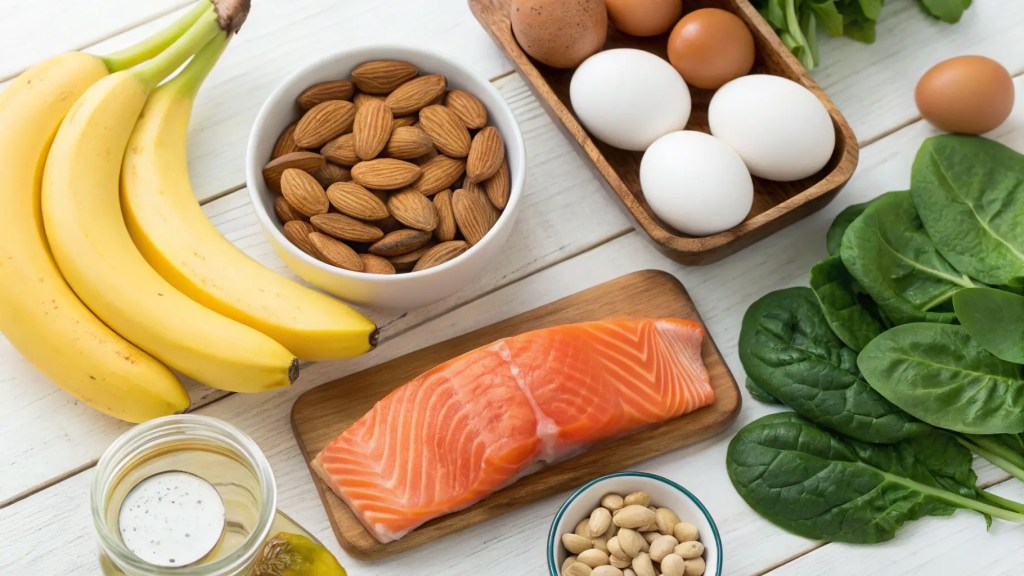
The good news? You can boost dopamine naturally with foods rich in tyrosine (like eggs, almonds, and bananas), regular exercise, sunlight, and even meditation. Small, consistent habits are the key to keeping your dopamine levels stable without burning out your brain’s reward system.
At the end of the day, dopamine is the reason we chase goals, feel joy, and stay engaged with life. Learning how to support it naturally can make all the difference in how you feel every day.
Top Dopamine-Boosting Foods for Brain Health
If you’ve ever felt unmotivated, foggy, or just plain “meh” for no obvious reason, your dopamine levels might be running low. The good news? What you eat plays a huge role in keeping this neurotransmitter working at its best. Dopamine isn’t something you can just pop like a vitamin – it’s made from nutrients in the foods you eat. So, if you want more drive, focus, and happiness, start with your plate.

Protein-Rich Foods: The Building Blocks of Dopamine
Dopamine production starts with amino acids – specifically, tyrosine and phenylalanine. These are found in protein-rich foods, making them essential for keeping your dopamine levels steady. Think eggs, lean meats, fish, dairy, and plant-based sources like tofu, beans, and lentils.
Ever noticed how a high-protein breakfast makes you feel more alert? That’s because tyrosine helps your brain create dopamine, giving you that energized, ready-to-go feeling. On the flip side, skipping protein (or eating only simple carbs) in the morning can leave you feeling sluggish and unfocused.
Omega-3 Fatty Acids: Brain Food That Fuels Focus
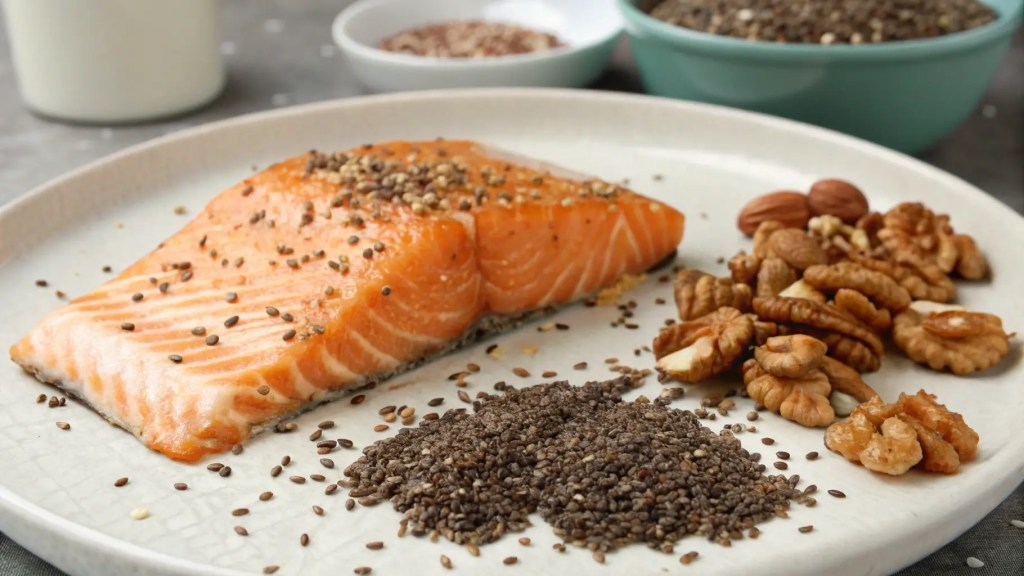
Your brain loves healthy fats, especially omega-3s. These essential fatty acids – found in fatty fish (like salmon, mackerel, and sardines), flaxseeds, chia seeds, and walnuts – help protect dopamine-producing neurons. Without enough omega-3s, your brain’s ability to produce and regulate dopamine can take a serious hit.
Research even links omega-3 deficiency to mood disorders like depression and ADHD. So if you’re struggling with focus or motivation, adding more omega-3s to your diet could be a game-changer. Bonus tip: Pairing omega-3-rich foods with leafy greens boosts absorption!
Antioxidant-Rich Foods: Protecting Dopamine From Damage
Dopamine is surprisingly fragile – it breaks down easily due to oxidative stress. This is where antioxidants step in, acting like bodyguards to keep your dopamine levels stable. Foods rich in antioxidants, like blueberries, strawberries, dark chocolate, and green tea, help protect your brain from damage and keep dopamine flowing.
Dark chocolate, in particular, is a double win. It not only provides antioxidants but also contains small amounts of phenylethylamine (PEA), a compound that encourages dopamine release. Just stick to dark chocolate with at least 70% cacao—milk chocolate doesn’t have the same benefits.
Fermented Foods: The Gut-Brain Connection
Here’s a wild fact: Around 50% of your dopamine is actually produced in your gut! That’s why gut health plays a massive role in how you feel mentally. Fermented foods like yogurt, kefir, kimchi, sauerkraut, and miso are packed with probiotics that support a healthy gut microbiome, which in turn helps regulate dopamine levels.
Ever eaten junk food for a few days and noticed how your mood tanks? That’s partly because processed foods can disrupt gut bacteria, reducing dopamine production. Keeping your gut happy means keeping your brain happy.
We advice you to read our post about Light & Fit Greek yogurt: Benefits, Recipes and Health Impact.

Magnesium and Zinc: The Underrated Brain Boosters
Magnesium and zinc don’t get as much attention as protein or omega-3s, but they’re just as important for dopamine regulation. Magnesium helps relax the nervous system and supports dopamine receptor function, while zinc plays a direct role in dopamine production.
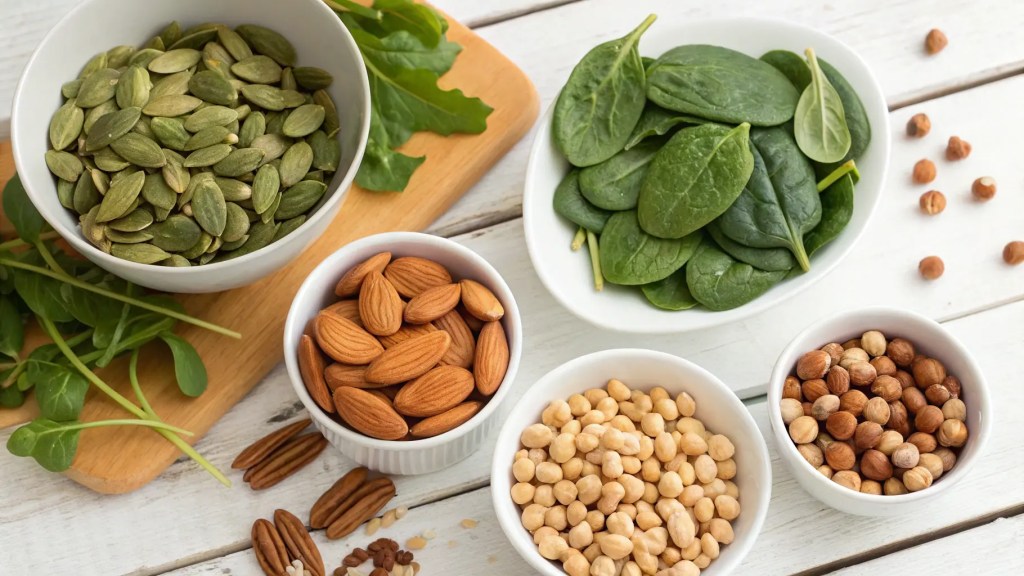
Foods like pumpkin seeds, almonds, spinach, cashews, and chickpeas are loaded with these essential minerals. If you’re feeling irritable, restless, or struggling with focus, a magnesium-rich snack like a handful of almonds or a spinach smoothie could help reset your brain chemistry.
Foods That Decrease Dopamine (What to Avoid)
Dopamine plays a crucial role in motivation, focus, and pleasure, but certain foods can significantly reduce its effectiveness. Many people struggling with low energy or lack of drive don’t realize that their diet may be a major factor. Research suggests that processed sugars, excessive caffeine, and artificial additives can interfere with dopamine receptors, leading to long-term imbalances.
Processed Sugars: The Dopamine Rollercoaster
It’s well known that processed sugars create a cycle of highs and crashes, but the long-term effects on dopamine sensitivity are even more concerning. Consuming large amounts of refined sugar can overstimulate dopamine receptors, leading to a temporary surge in pleasure, followed by a sharp drop. Over time, this can desensitize receptors, making it harder to experience motivation and joy from everyday activities. Studies have linked high sugar intake to reduced dopamine receptor availability, which may explain why frequent sugar consumption often leads to cravings and mood fluctuations.
To counteract these effects, many nutrition experts recommend reducing processed sugar intake and replacing it with whole foods that support dopamine production, such as bananas, nuts, and dark chocolate.
Excessive Caffeine: More Isn’t Always Better
Caffeine is widely used for its stimulating effects, but too much of it can negatively impact dopamine regulation. While caffeine temporarily boosts dopamine levels, excessive intake can overstimulate receptors, eventually making them less responsive. This can lead to a dependence on caffeine just to feel normal, along with energy crashes when its effects wear off.
Those who cut back on caffeine often experience withdrawal symptoms at first, such as fatigue and headaches, but after an adjustment period, natural dopamine production tends to stabilize. Moderation, rather than complete elimination, is often recommended – limiting intake to one or two cups per day can help maintain dopamine balance without long-term desensitization.

Artificial Additives: Silent Dopamine Disruptors
Artificial additives found in processed foods have been shown to interfere with neurotransmitter function, including dopamine signaling. Ingredients like MSG, artificial sweeteners, and synthetic food dyes have been linked to mood instability and decreased motivation. Some studies suggest that these additives may disrupt the way dopamine is processed in the brain, contributing to issues like brain fog and low energy levels.
Many people report feeling more mentally clear and focused after reducing processed foods in their diet. Opting for whole, natural foods can help support dopamine function, improving both mood and motivation over time.
Diet plays a significant role in brain chemistry, and avoiding foods that decrease dopamine can make a noticeable difference in energy levels and mental clarity. Small changes, like cutting back on processed sugar, moderating caffeine intake, and avoiding artificial additives, can support dopamine balance and improve overall well-being.

Conclusion
Dopamine is essential for motivation, focus, and overall well-being, but certain dietary choices can gradually weaken its effectiveness. Processed sugars create a cycle of highs and crashes, excessive caffeine overstimulates and desensitizes dopamine receptors, and artificial additives can disrupt neurotransmitter function altogether. Over time, these factors may contribute to low energy, decreased motivation, and even mood imbalances.
Avoiding these dopamine-disrupting foods doesn’t mean giving up enjoyable meals – it’s about making smarter choices that support long-term brain health. Swapping processed sugar for natural alternatives, moderating caffeine intake, and choosing whole, unprocessed foods can help maintain balanced dopamine levels. A well-nourished brain functions more efficiently, leading to better mood, sharper focus, and sustained motivation.
 WellForm365
Leave a comment