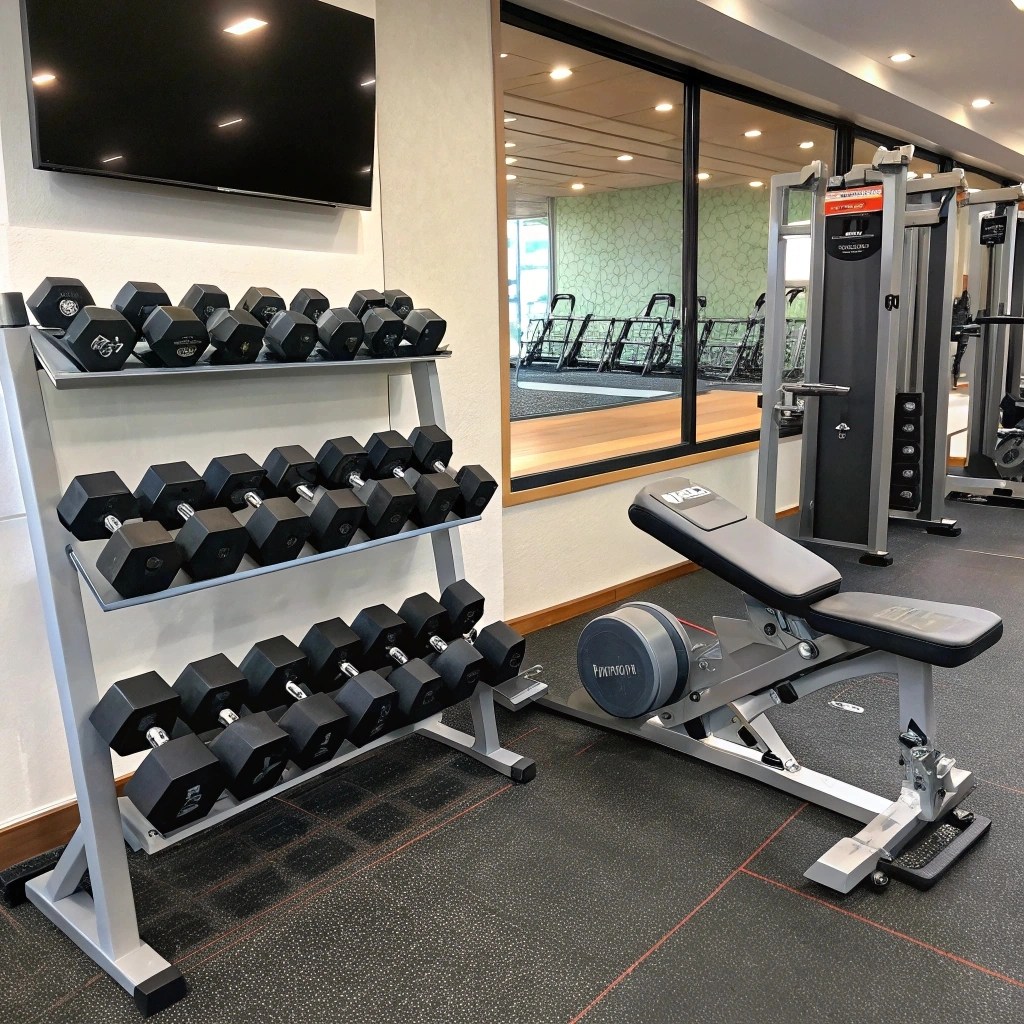

Free Weights vs Machines: Which One Builds Muscle Faster in 2025?
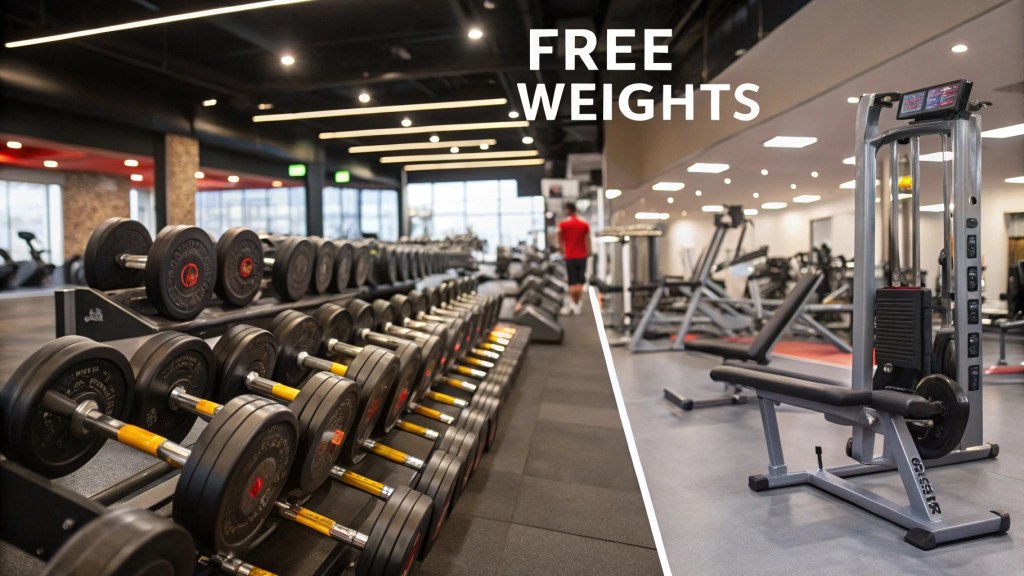
«Muscles are built by effort, not by equipment»
But let’s be honest – when you walk into a gym, the decision between heading to the dumbbells or hopping on a machine can feel like choosing between coffee or tea. Both have their strengths, but which one really fires up your muscle growth faster?
In this article, we’re diving deep into the free weights vs machines debate to settle the score once and for all. Whether you’re a gym newbie or a seasoned lifter, understanding how each affects hypertrophy, stability, and strength gains is key. Ready to build smarter, not just harder? Let’s go!
Understanding Muscle Growth – How Do Muscles Really Grow?
So, if you’ve ever done a hard workout and then spent two days waddling around like a baby deer, congrats – you’ve met muscle growth in action.
Let me rewind a bit. Back when I started lifting, I honestly thought muscle just grew by lifting heavy stuff. Like, the more you curl, the bigger your biceps get, right? Sorta. But it’s not just about lifting heavy. There’s actual science behind hypertrophy – and once I understood that, my workouts got way smarter.
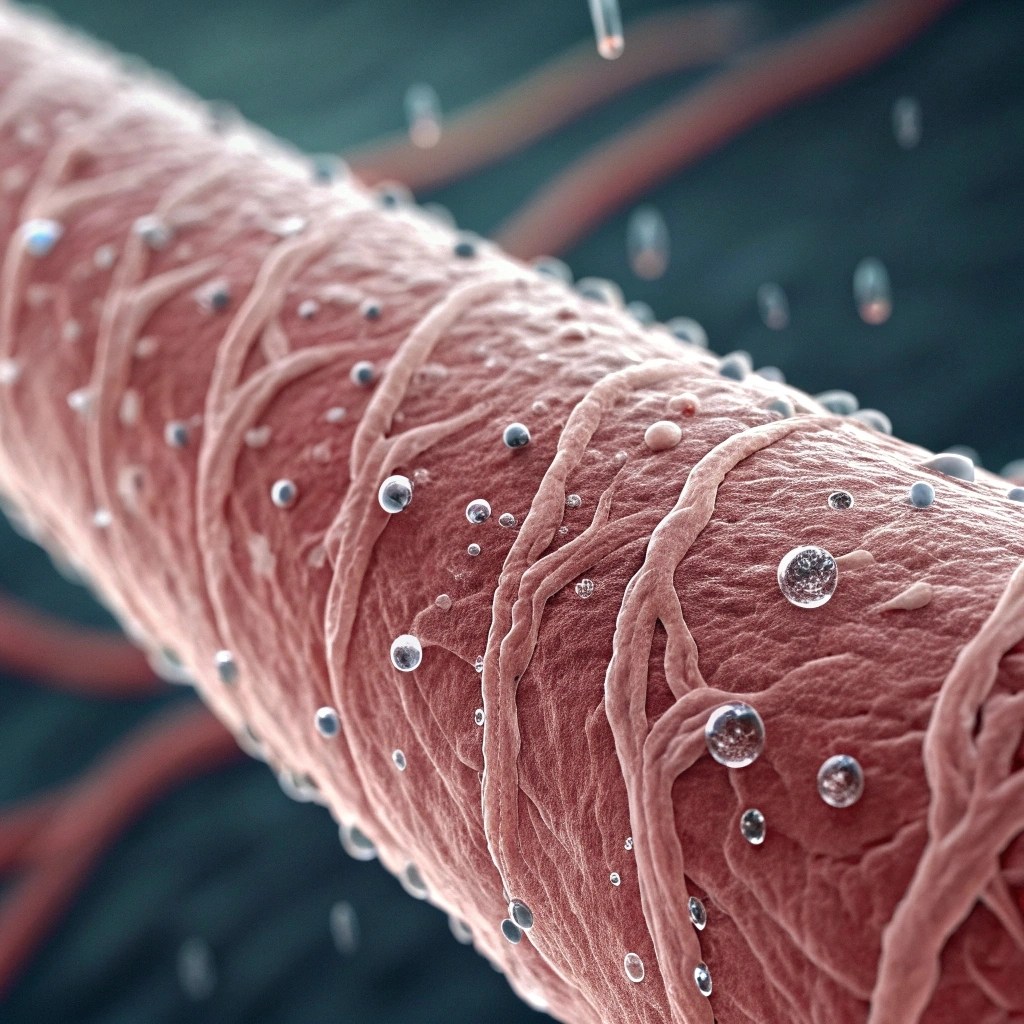
Basically, muscle hypertrophy is the process of your muscle fibers repairing and getting thicker after they’ve been stressed. Sounds simple, but it’s kind of wild when you think about it. You’re literally breaking your muscles down to build them back stronger. Tiny micro-tears happen when you lift weights, especially during the eccentric part of the rep (that’s the lowering phase, btw). Your body responds by sending repair signals and rebuilding those fibers a little bigger than before. It’s like your muscles saying, “Oh, so we’re doing that now? Better bulk up.”
Now, here’s where it gets juicy – there are three main triggers that lead to this growth: mechanical tension, metabolic stress, and muscle damage. And no, they’re not just fancy gym terms. Mechanical tension is the force your muscles generate during lifting. Think slow, heavy reps with full range of motion. Metabolic stress is that crazy burn you feel when you’re repping out curls – yep, all that blood flow and lactic acid buildup actually helps trigger growth. And muscle damage? Well, that’s the soreness (hello, DOMS) you feel the day after a killer leg day.
But – and this is a big but – none of it matters without progressive overload. I used to do the same workout for months and wondered why nothing changed. Turns out, if you’re not increasing the challenge over time – adding weight, reps, time under tension – your muscles stop adapting. They’re like, “Cool, we’ve seen this movie before.” You gotta keep giving your body a reason to grow. Even just adding 5 extra pounds, or doing a slower tempo, can make a huge difference.
One thing I totally got wrong at first? I thought soreness = gains. Nope. Soreness is just one side effect. You can still build muscle without being crippled the next day. What matters more is consistent tension and progression. You don’t have to kill yourself each session – just focus on quality reps, controlled form, and tracking your workouts.
Also, don’t skip recovery. I used to train 6 days a week thinking I was grinding hard, but I was just overtraining. Your body needs rest to actually repair and grow muscle tissue. Sleep, protein, hydration – all that recovery stuff is not optional.
So yeah, muscles don’t just grow in the gym. They grow after the gym. Push hard, then let ‘em rebuild. Science says so – and honestly, my sore glutes back that up every time.
Free Weights – Benefits, Drawbacks, and Effectiveness
Alright, let’s talk free weights. Dumbbells, barbells, kettlebells – all that good stuff that either makes you feel like a beast or like you have no idea what you’re doing (been there, friend).
See, the beauty of free weights is they force your stabilizer muscles to wake up and do their job. When you’re holding two dumbbells overhead, your core, shoulders, even your grip are all working together. Machines? They keep you in a fixed plane. Not bad if you’re rehabbing an injury or isolating something, but they don’t challenge your body the same way.
What I found, especially with compound exercises like squats and bench press, was that my body had to learn balance, coordination, and raw power. At first, I hated it. My squats were wobbly, I couldn’t keep the bar centered on my back, and don’t get me started on overhead press. But once things clicked? Man, I saw results fast. Not just in size, but in functional strength – like carrying all the groceries in one trip strength.
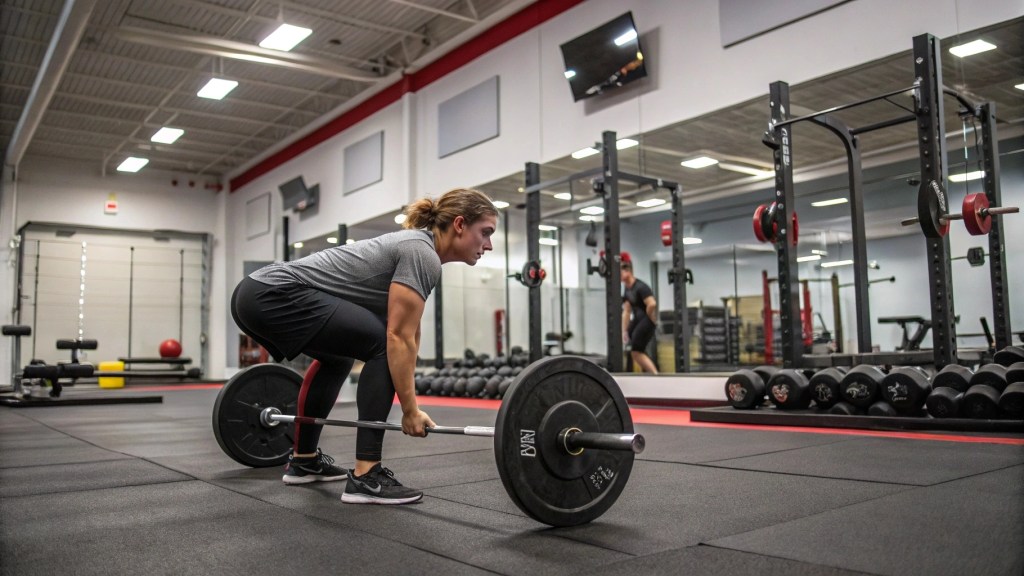
Free weights also let you move naturally. Machines can lock you into awkward positions depending on your body size. I’m not the tallest guy, so sometimes machines just felt…off. Free weights adapt to you. Plus, you can train anywhere with them.
Now let’s be real – there are drawbacks. The risk of injury is higher if you’re not careful. And yeah, it’s intimidating, especially when the guy next to you is curling your max deadlift. If you’re new, hire a trainer for a couple sessions. Learn how to brace your core, how to hinge properly. Don’t just chase numbers – chase good reps. Slow tempo, full range of motion. I’d rather do 5 good reps with proper time under tension than 15 sloppy ones.
Here’s a tip: record yourself lifting. Fix your mistakes and it will instantly make you feel more your muscles. Tiny tweaks matter big time when it comes to resistance training.
Free weights aren’t magic, but if you’re after muscle hypertrophy and real-world strength, they’re your best bet. Just respect them. Learn them. And don’t skip warm-ups – trust me, your joints will thank you.
Scientific Studies – What Does the Research Say?
Over the years, I’ve read a ton of studies, sat in on talks from strength coaches, and even chatted with a few exercise science professors about the free weights vs machines debate. And here’s the deal: the research doesn’t really crown a clear winner – but it does tell us when and how each works best.
Let’s start with a pretty well-known study from Schick et al. (2010), which compared muscle activation between the barbell bench press and the Smith machine press. What they found was pretty interesting – free weights activated more stabilizing muscles, especially in the shoulders and triceps. Makes sense, right? When you’re under a barbell, your body has to control it through space, which forces more neuromuscular engagement. On a Smith machine, the path is fixed, so less stabilization is needed.
Another frequently referenced study from 2014 looked at hypertrophy and strength gains in participants using either free weights or machines over several weeks. Both groups made gains in size and strength. However, those using free weights saw slightly greater improvements in functional strength – especially in compound movements like squats and deadlifts. It wasn’t a massive difference, but it was enough to matter if performance and balance were key goals.
But here’s something a lot of folks overlook: experience level matters. Beginners often benefit from machines in the early stages because they provide a safer, controlled range of motion. Coaches usually starts new clients on machines to help them learn basic movement patterns without risking injury. Once they build confidence and some base strength, they gradually shifts them toward free weights to engage more stabilizer muscles and improve coordination.
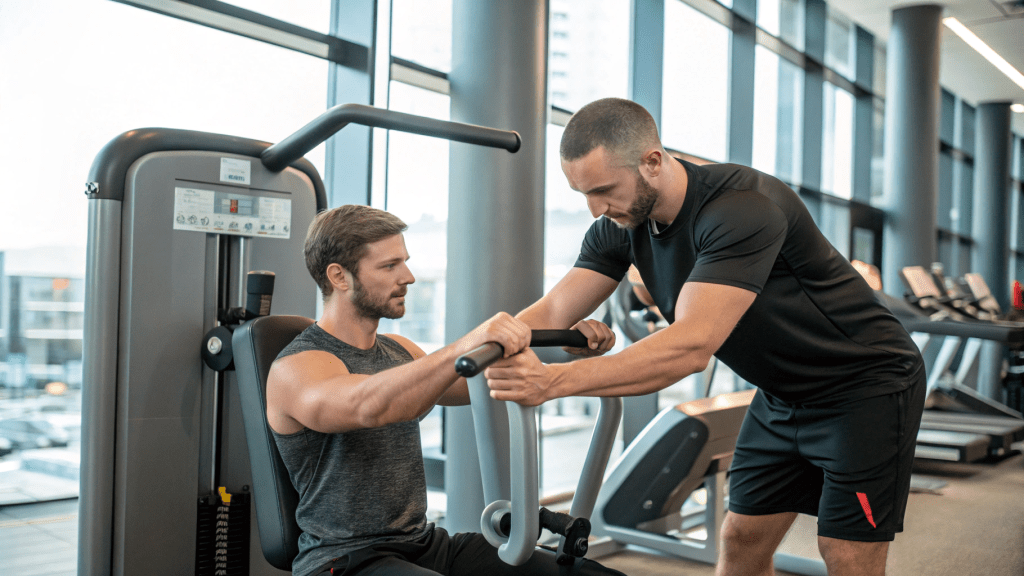
On the flip side, advanced lifters and athletes tend to gravitate toward free weights because they offer more flexibility and carryover to real-world strength. There’s even emerging research around EMG (electromyography) data showing that experienced lifters activate more muscle fibers during free weight lifts compared to novices doing the same movement. Basically, the more skilled you are, the more effective free weights become.
In practice, I’ve seen this play out countless times. Some people start on machines and get fantastic results, especially for isolating muscles during rehab or targeting weak spots. Others thrive with barbell training from the get-go. What matters most is matching the tool to the person and their goal.
So, yeah – machines can build muscle and strength, no doubt about it. But if you’re aiming for maximum muscle activation, functional strength, and long-term progression, free weights might offer a bit more bang for your buck – especially once you’ve got the fundamentals locked in.
Best Use Cases – When to Use Free Weights vs Machines
In most well-equipped gyms, there’s always a mix of people: some grinding through heavy barbell lifts in the free weights area, others focused and calm on machines, isolating specific muscle groups. Over time, it becomes clear that the best tool often depends on the goal, training phase, and even injury history of the individual.
Athletes and personal trainers have long leaned toward free weights when the goal is functional strength. That means building strength that transfers to real-life movement – jumping higher, running faster, lifting things outside the gym. Free weights force the body to stabilize and coordinate multiple muscle groups at once, improving not just strength but also balance, core activation, and joint control. In athletic training centers, barbell squats, kettlebell swings, and dumbbell presses are staples for exactly this reason.
On the other hand, machines play a critical role in rehabilitation and targeted training. Physical therapists often rely on machines during injury recovery because they guide the body through a fixed range of motion, reducing the chance of aggravating healing tissues. For example, someone recovering from a rotator cuff injury might use a chest press machine instead of dumbbells to reduce strain while still training the pecs and triceps.

Machines are also valuable for muscle isolation, especially in bodybuilding routines or toning programs. They allow lifters to focus purely on a single muscle – like hitting the quads on a leg extension without recruiting the glutes or hamstrings too much. This can be helpful when trying to correct muscle imbalances or give extra attention to lagging areas.
For muscle gain (hypertrophy), both tools are effective. Many coaches recommend starting a workout with compound free weight movements like squats or bench press to maximize mechanical tension and muscle recruitment, then finishing with machine exercises to safely push through metabolic stress and muscle fatigue. This hybrid approach is common among experienced lifters because it combines the stability and safety of machines with the strength-building demands of free weights.
Ultimately, seasoned lifters, coaches, and therapists often build programs that blend both methods. Machines are not “cheating,” and free weights aren’t “dangerous” when used properly. The smartest routines use each where they shine – free weights for movement quality and overall strength, machines for precision, recovery, and finishing touches.
Tips to Maximize Muscle Growth with Any Equipment
First up: form and tempo. This one gets preached a lot, but it’s ignored just as often. Proper form isn’t just about preventing injury – it ensures you’re hitting the intended muscle and getting the most from each rep. And tempo? Slowing things down, especially on the lowering phase (called the eccentric), can create more mechanical tension, which is a key trigger for hypertrophy. Coaches often cue “three seconds down, one second up” – and that simple shift makes even lighter weights feel brutal in the best way.
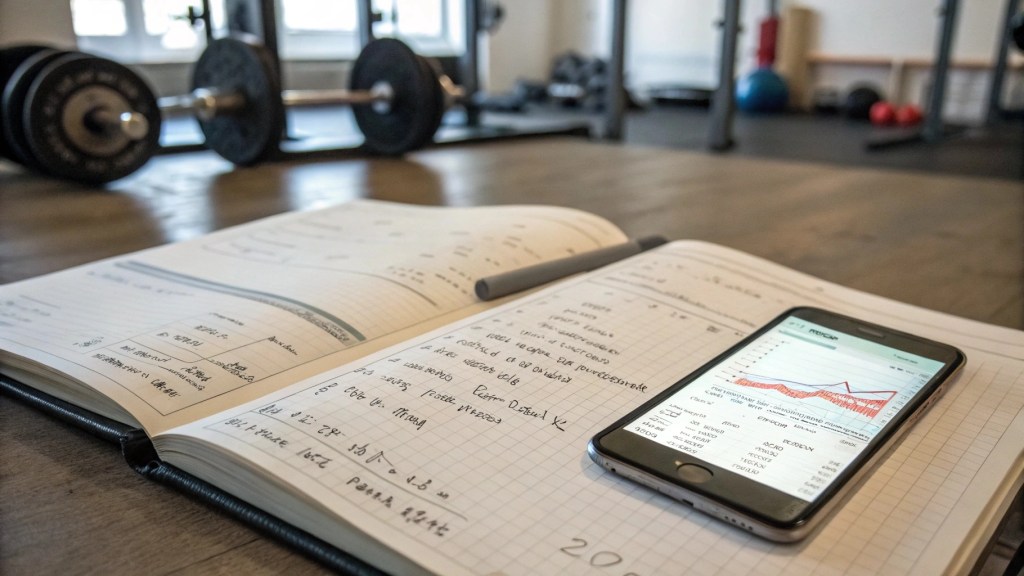
Next: track your progress. This sounds boring, but it’s how gains happen. Whether you’re increasing weight, reps, or reducing rest time, it’s all part of progressive overload. Without some form of progression, the body adapts and stops changing. Lifters who keep logs – old-school notebooks or app trackers – tend to break plateaus faster because they know exactly what they’re improving.
Then there’s the stuff that happens outside the gym: rest, nutrition, and recovery. These are the “hidden” growth factors. Getting 7–9 hours of sleep a night, eating enough protein to fuel muscle repair (around 1.6–2.2g per kg of bodyweight), and managing stress all play massive roles in recovery. It’s common to see gym – goers train hard five days a week, but they skip meals, sleep four hours, and wonder why they’re not growing. The truth is, muscles grow when you rest, not when you train.
And finally – switch it up. When progress stalls (and it will at some point), changing equipment or style can kickstart new growth. If you’ve been glued to machines, throw in dumbbells for stability work. If free weights are your go-to, a few weeks of cable isolation or machine drop sets can shock the muscles in new ways. This variety keeps the nervous system challenged and helps avoid overuse injuries too.
Conclusion
Whether you train with free weights, machines, or both, building muscle comes down to consistency, smart progression, and recovery. There’s no one-size-fits-all answer – each tool has its place depending on your goals, experience level, and physical needs. Prioritize form, track your progress, fuel your body, and don’t be afraid to mix things up. The best results come when you train with intention, not just intensity.
Best regards,
Ihor Mykolenko
 WellForm365
Leave a comment